
Canada - Military Service Act 1917
Following the outbreak of the First World War, the Canadian Expeditionary Force was sent to the Western Front. A high number of casualties were sustained. Volunteer enlistment was inconsistent, and it was believed that the Canadian Corps could not be maintained at full strength without conscription.
The Military Service Act was introduced by Prime Minister Sir Robert Borden, which was largely supported by the majority British Canadians, but was fiercely opposed in French Canada, with riots breaking out in Quebec.
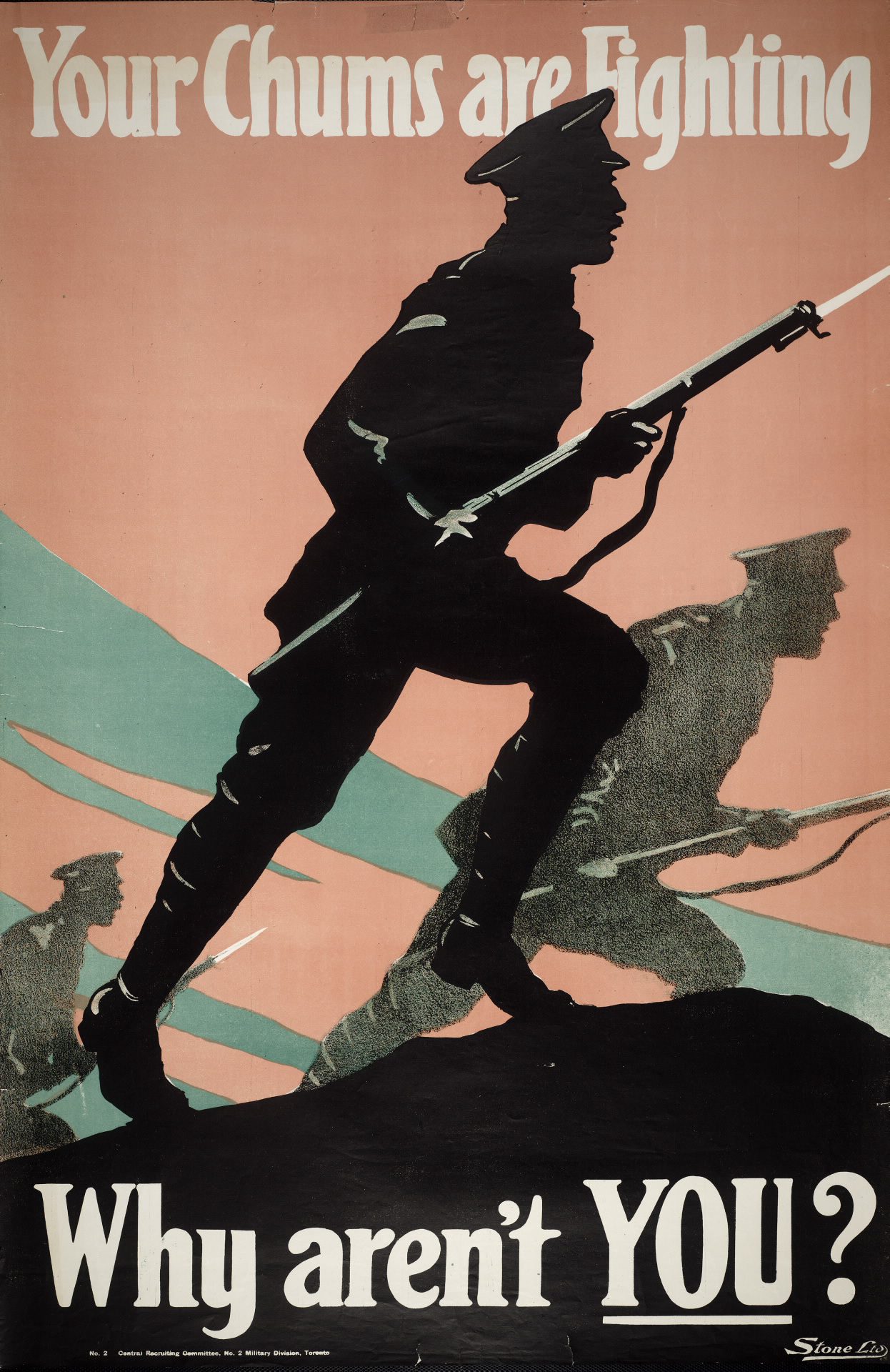
Under the act, the male population of Canada was divided into several classes for the purpose of being called up for military service, from which certain exceptions were available, if they were:
- ordinarily resident in Canada; or
- has been at resident in Canada at any time since August 4, 1914, unless where he
- falls within one of the specified exceptions, or he
- reaches the age of 45 prior to his class or subclass being called up.
With the classes being:
- Those who have the age of twenty years, born not earlier than 1883, and are unmarried or a widower with no child.
- Those who have the age of twenty years, born not earlier than 1883, and are married or a widower with a child or children.
- Those born in the years 1876 to 1882 inclusive, and are unmarried or a widower with no child.
- Those born in the years 1876 to 1882 inclusive, and are married or a widower with a child or children.
- Those born in the years 1872 to 1875 inclusive, and are unmarried or a widower with no child.
- Those born in the years 1872 to 1875 inclusive, and are married or a widower with a child or children.
Any man married after July 6, 1917, was deemed to be unmarried.
The exceptions to the act were:
- Men who hold a certificate of exemption issued under the act.
- Members of His Majesty’s regular, reserve or auxiliary forces.
- Members of military forces raised by any of the other Dominions or the Government of India.
- Men serving in the Royal Navy, the Royal Marines, the Naval Service of Canada or the Canadian Expeditionary Force.
- Men who have served since August 4, 1914, in the military or naval forces of Great Britain or her allies in any theatre of actual war, and have been honourably discharged.
- Clergy, members of holy orders and ministers of any religious denomination existing when the act came into force.
- Persons exempted from military service by the Orders in Council of August 13, 1873 and December 6, 1898.
And finally the exemptions were:
- Importance of continuing employment in habitual occupation.
- Importance of employment in a special occupation for which one has special qualifications.
- Importance of continuing education or training.
- Serious hardship owing to exceptional financial obligations.
- Serious hardship owing to exceptional business obligations.
- Serious hardship owing to exceptional domestic position.
- Ill health or infirmity.
- Adherence to a religious denomination of which the articles of faith forbid combatant service.
There were later ammendments made to restrict service to anyone deemed to be an enemy alien, including anyone who merely spoke German as a first language. and to recall any man who had left Canada after the start of the war.
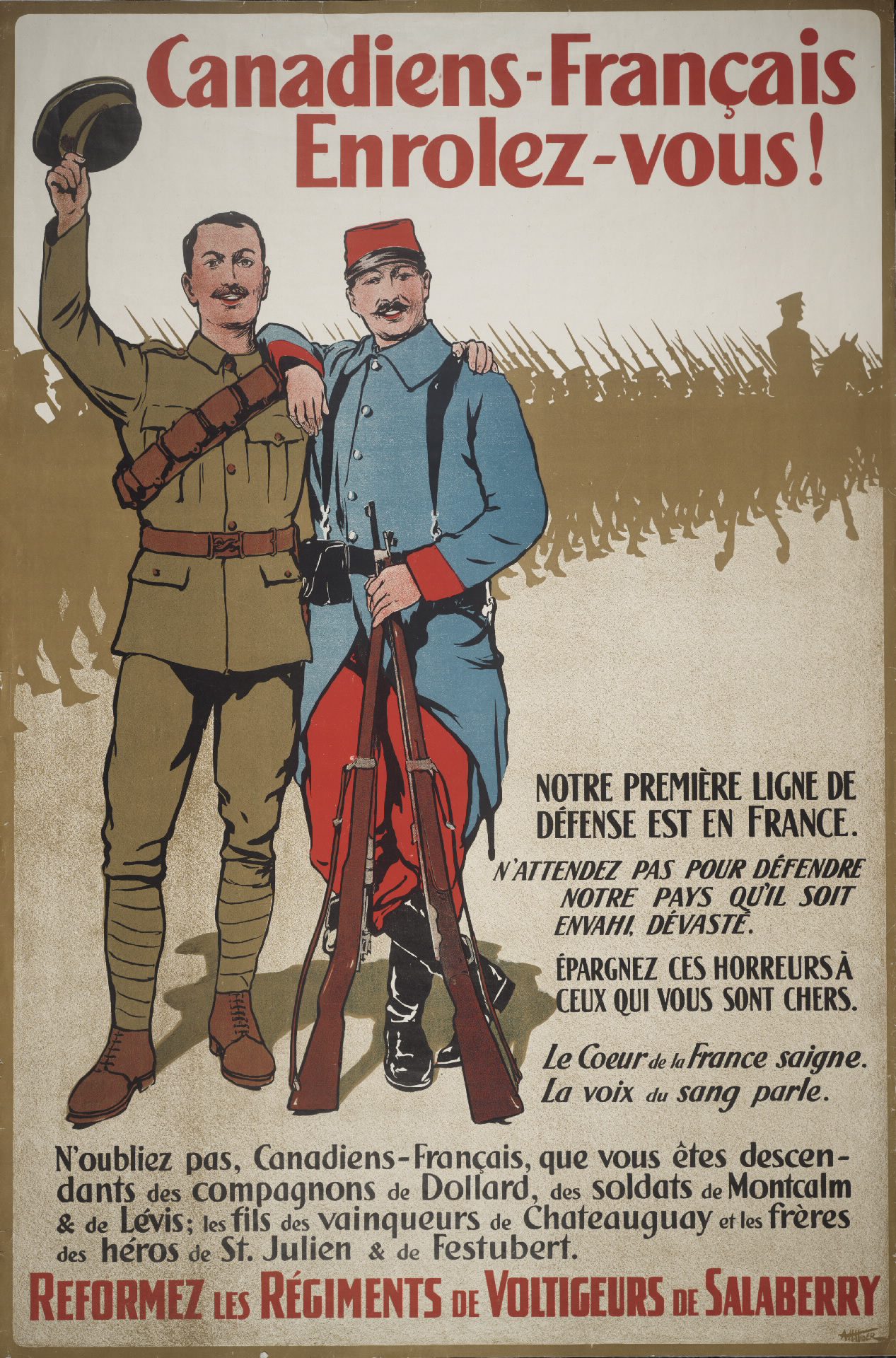
The act itself did not bring anything like the numbers envisaged into front line service in France. After exemptions, 179,933 men were liable for military service. 8,445 were permitted to serve in the British Army. Afer taking into account those were failed to appear, defaulters, those found unfit for service, plus around 26,000 who were never called up, 124,688 men were available for service in the CEF, with 47, 509 being sent overseas.
In the end, only 24,132 men would serve in CEF units in France.