BALDWIN, William

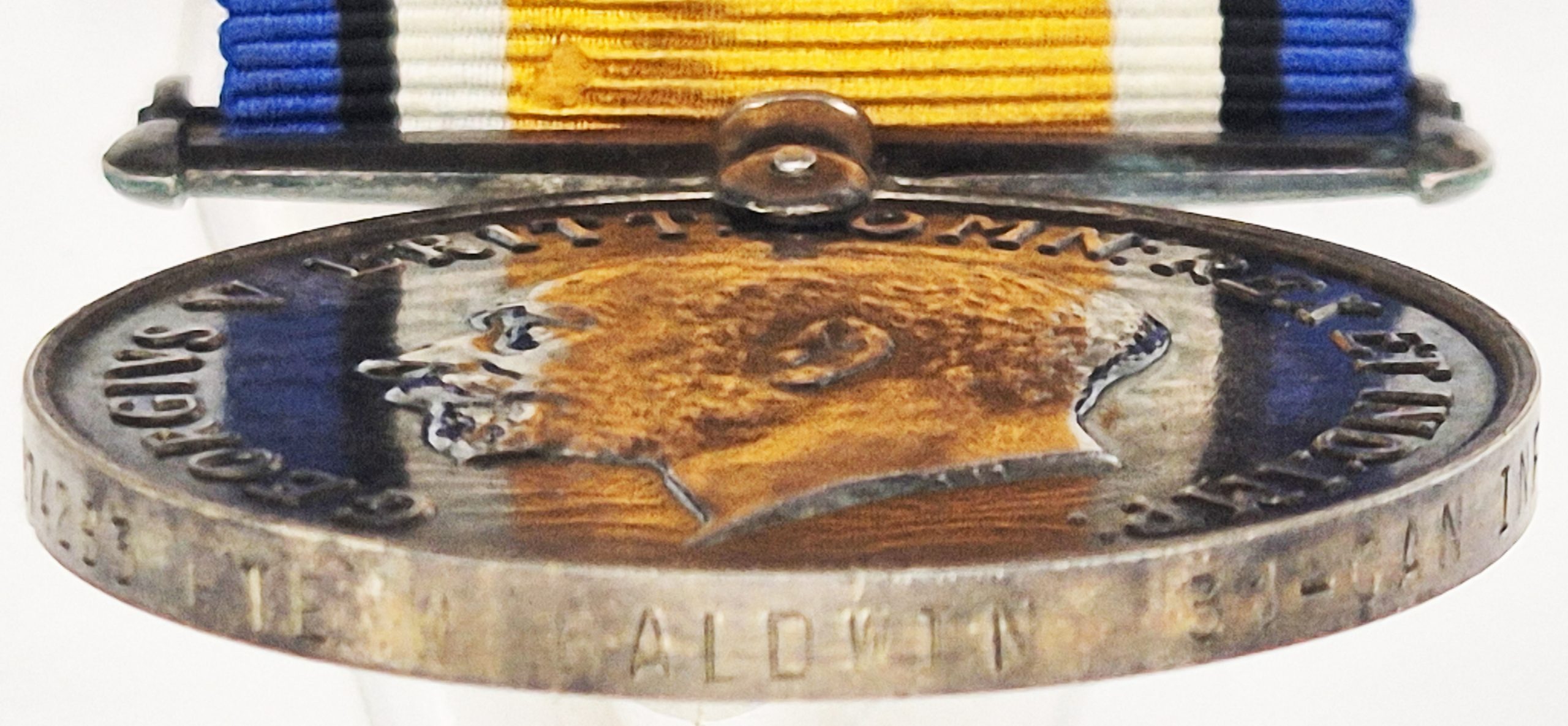
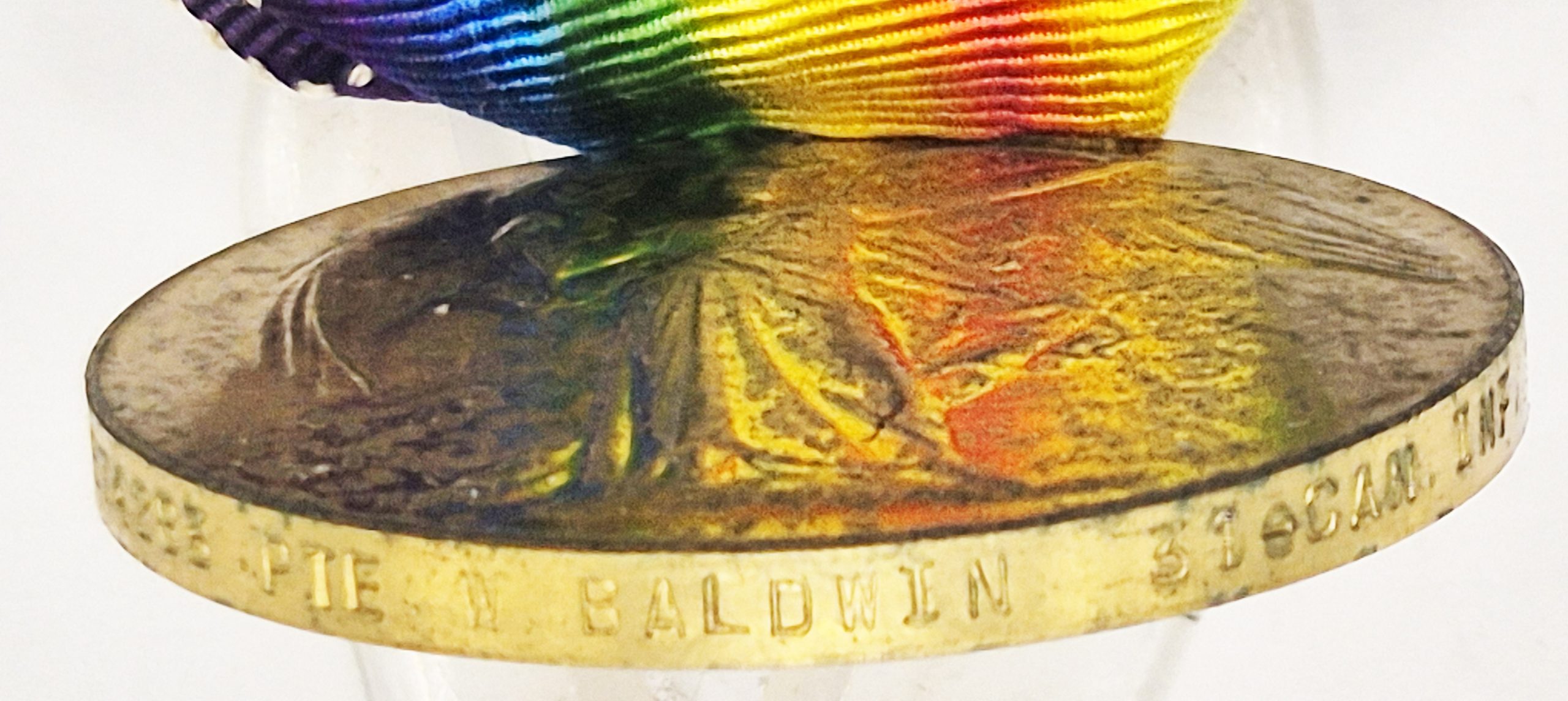
874283 Private William Baldwin

B Company, 31st Battalion, Canadian Infantry
(Trained and shipped out with 184th Battalion)

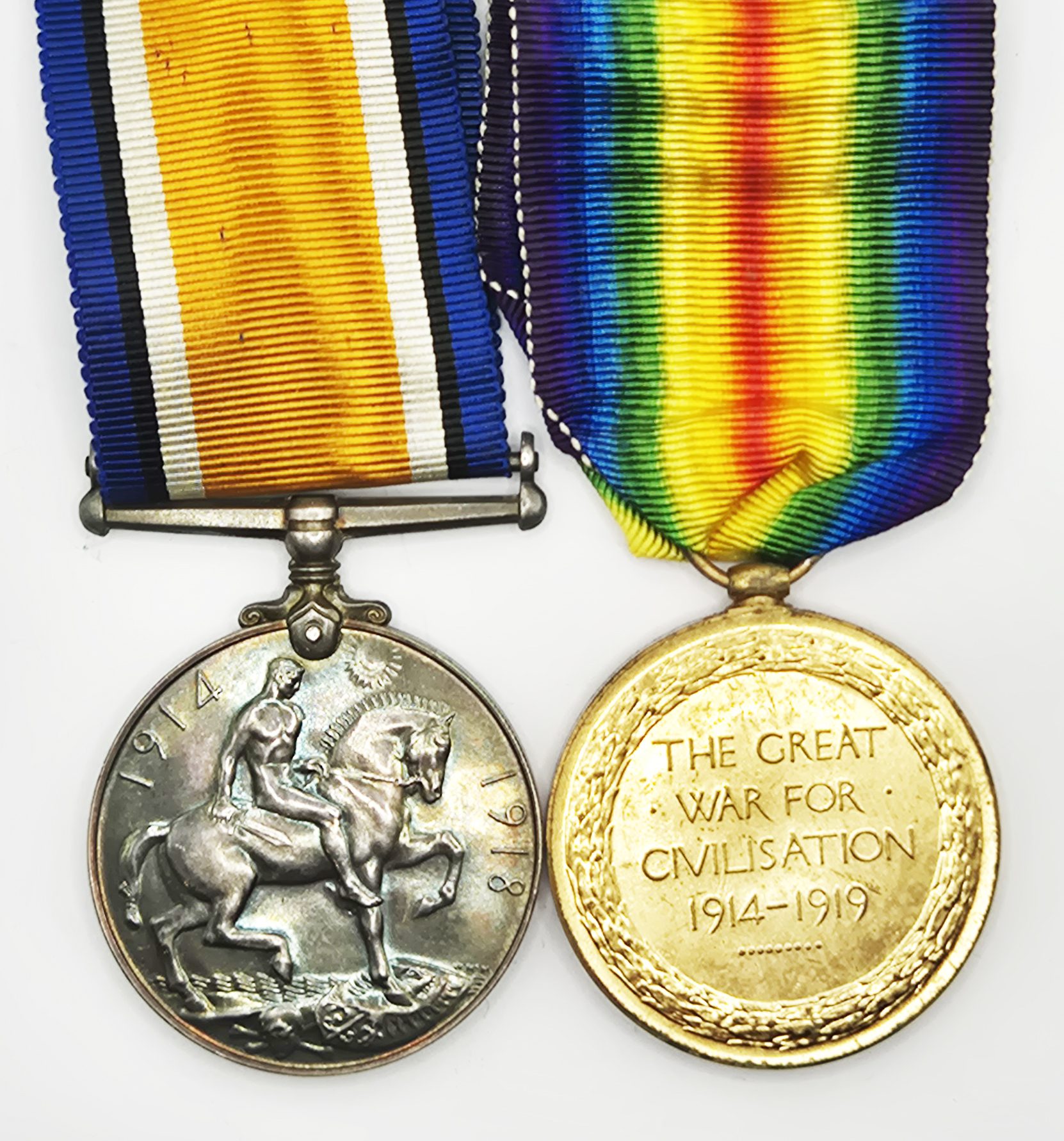
British War Medal and Victory Medal

FAMILY

William was born on 25th August 1889 in Westerham, Kent. His Father, Henry, was a domestic gardener. He and his wife Ester were both also born in Westerham. By the 1901 census the family consisted of Henry (46), Ester (46), and their children Edith (19), William (8), and Amos (6). Some other older siblings, Ellen and Charles who were listed in 1889, are now no longer part of the household.

Sometime after 1911, William married Maude Caroline Upton (shown below – and again with her whole family), who was employed  as a domestic servant in nearby Sevenoaks. She was originally a resident of Maidstone.

Maude Caroline Upton
Upton Family, Maidstone

Canada

William and Maude relocated to Winnipeg, Manitoba, Canada. Like a great many who moved from England to Canada at this time, there were prospects of a better living standard and higher wage potential. William found work as a teamster, which basically meant that he would drive a horse, or oxen drawn wagon to move goods. The couple were living at 251 Madison Street, St. James, Manitoba. Today St. James is part of greater Winnipeg and has been extensively redeveloped.

William volunteered for enlistment into the 184th Battalion of the Canadian Expeditionary Force on 29th February 1916. This unit was raised for specifically for overseas service, and formed of men from southern Manitoba. There was no conscription in Canada until Prime Minister Robert Borden introduced the Military Service Act in May 1917.

184th Battalion, Canadian Expeditionary Force

Camp Hughes

Whilst there is no known photograph of William, we get some idea of what he may have looked like from his attestation document, where his height is given as 5ft 10in, and he had a fair complexion, brown hair, and green eyes.

The 184th was concentrated at Camp Hughes, near Carberry, Manitoba. The camp had extensive training grounds, including simulated trench systems, rifle and grenade ranges, and military fortifications for practising attacks and tactics. There was also a “Main Street” double avenue near the main camp which had a variety of retail stores and entertainment complexes, forming a lively commercial area.

Camp Hughes
Camp Hughes
Camp Hughes
Camp Hughes
Main St - Camp Hughes
Troop Encampment at Camp Hughes
Trench system at Camp Hughes

Today Camp Hughes is designated a National Historic Site of Canada, and, although it is greatly eroded, can be visited to see some of the most extensive remaining trench systems from the Great War era.

Some photographs exist of the 184th at this time, and William Baldwin is definitely somewhere within at least one or two of them.

2nd Platoon 184th Battalion at Camp Hughes
Photo of men of the 184th at Camp Hughes
Men of the 184th at Camp Hughes
184th troop review at Camp Hughes
D Company,184th at Camp Hughes
D Company, 184th at Camp Hughes
184th on parade at Camp Hughes

Back to England

The Battalion finally embarked for England on 11th November 1916, travelling together on the RMS Empress of Britain. In May 1915 it had been fitted out as a troop ship and painted in dazzle camouflage. First launched in November 1905, this transatlantic troop ship had a varied history, having hit an iceberg and narrowly avoided disaster in 1912, and later being requisitioned as an armed merchant cruiser at the outbreak of war.

Landing at Liverpool, England on 11th November, the Battalion was moved and billeted at Shorncliffe Garrison, Folkestone, Kent. The entire 184th Battalion was also disbanded and absorbed into the strength of the 11th Reserve Battalion. William was then further reassigned to the 31st Battalion, who were already in France.

The Empress of Britain - as a troop ship in WWI

Landing in France on 5th January 1917, he was probably sent for further training “in the field.” He didn’t finally arrive with the 31st Battalion until 10th March. The 31st were in the 6th Canadian Brigade, part of the 2nd Canadian Division.

31st Battalion, Canadian Expeditionary Force Cap Badge
Cap Badge of the 31st Battalion, CEF

Vimy Ridge

The Canadians had amassed in an area known as Vimy Ridge towards the end of 1916, following brutal fighting in the Somme, culminating in the Battle of the Ancre in November. They were in dire need of troops to replace losses they had sustained there. William was one such replacement. He arrived and joined the 31st Battalion at a time when the final preparations for the inevitable attack on the ridge and hills ahead of them was in full swing. The weather was bitterly cold.

Engineers had worked relentlessly finishing tunnels to shelter troops, which included electricity and running water, and large dugouts for communications and dressing stations. Roads and light railway lines were repaired, and most importantly every infantryman was being trained for their mission ahead. William and his comrades would have been sent for daily training on bayonet fighting and the efficient use of gas masks.

Every unit was expected to know their timings and tactics to the letter. A large model of the trench systems and no-man’s land was dug out in a field near Mont St Eloi for tactical study. Every soldier would be expected to know where the rest of their company would be going, the company commanders in-turn would train on where the battalion should be, and each battalion would work together to secure the objectives for each Brigade. Canadian command were determined to learn from the mistakes of the battles on the Somme and Verdun. The commander of the Canadian Corps, Lieutenant-General Sir Julian Byng, gave his massed forces a chilling instruction; “Chaps, you shall go over exactly like a railroad train, on time, or you shall be annihilated.”

The attack drew near. German command were well aware of this, as the Canadian artillery unleashed a million shells onto their lines in the space of 7 days. The wire entanglements were shredded and the ground was pummelled on every sector. The German front line troops had little-to-no water and food, as it was impossible to get resupplied from the rear.

On the evening of 8th April 1917, the Canadians brought up all the reserves from Mont St Eloi, to join their comrades holding the front lines. William and the rest of the 31st looked out across no-man’s land at Hill 135, the objective of the only British 13th Brigade (the only non-Canadians on the line at Vimy Ridge for the attack). Their own objective lay somewhere to the right of the hill. They were tasked with capturing the villages of Thélus and Farbus. Just before dawn a strong north-westerly wind blew across the battlefield, already covered in snow and ice.

The lead battalions attacked at 0530 hours. Whilst easy going at first, they faced pockets of resistance and machine gun fire from some posts which had survived the artillery barrage and were still operational. The “black line” was reached at 0610 hours. William would wait behind the initial wave, witnessing the creeping artillery barrage, which had been timed to perfectly drop just ahead of the advance.

The 31st Battalion would go “over the top” as part of the second wave, progressing across the open ground behind the initial attack, dodging the casualties that had fallen. Pressing ahead, they would have spent the morning clearing positions and ensuring no remaining enemy remained. It was a dangerous and methodical task, as a missed sniper or machine gunner could easily cause havoc from the rear. The reached their first objective of Thélus to find only the dead, and obliterated buildings. By 1400 hours, the final objectives had been achieved and the enemy had been broken. The attack had not gone so smoothly in other sectors, where the Canadians had faced formidable defences, and suffered heavy losses.

By nightfall though, the Canadians had reached their objectives in all sectors, and convincingly held the ridge. Despite losing 3,598 killed and 7,004 wounded, the attack was a success. The number of German losses totalled some 80,000 killed, wounded and captured.

Beyond the Ridge

William’s Division (although not the 31st battalion) would be involved in a further attack on the Arleux Loop on 28th-29th April, supporting British battalions in taking a German defensive position and the village of Arleux-en-Gohelle. The Canadians successfully captured the Arleux Loop by 0600 hours on April 28th after overcoming heavy German resistance, despite taking 1,255 casualties.

A few days later, William headed into action once again with a view to capture the small hamlet of Fresnoy, where the Germans had retreated from Arleux-en-Gohelle. Fresnoy’s red tiled buildings had thus far been largely undamaged by the war, having previously been far behind the German lines.

Slit trenches had been extended in the preceding days to allow more men to get up and out of cover and into the advance from the off. On 3rd May, the 1st and 6th Canadian Brigade (including William’s 31st Battalion) went over the top at 0345 hours, under the cover of darkness. The objective of the 27th and 31st Battalions was to seize the junction of the northern end of the former Arleux Loop with the main Oppy-Méricourt line. The 27th would take the objective, and the 31st would cover their left flank. The trenches of the Oppy-Méricourt line ran along the western outskirts of Fresnoy, with heavy wire entanglements concealing a number of strongpoints at the village edge.

The loss of Arleux had alerted the Germans to the probability of a further attack, and they saw the 27th and 31st Battalions approach across the open plain with the help of a moonlit sky. They opened up with heavy artillery onto the assembly areas in no-man’s land. The Canadian artillery barrage retaliated, then the German machine guns opened fire onto the Canadian front line trenches, trapping William’s battalion in crossfire, slowing the assault.

Only 300 yards out, the 31st encountered unexpected newly-laid barbed wire. Stuck in the open about halfway to the first of the manned defences, they were taking heavy fire from their junction objective. They split the attack, one group seeking to outflank the objective while the other went in frontally. Both failed. The best the battalion could do was to occupy a newly dug German trench immediately east of the wire, and set up a block where this trench joined the old Arleux Loop.

At some point in the night attack in the early hours of 3rd May 1917, William Baldwin was killed. His body was never identified, so he went down simply as “missing.” After no word was received from any dressing stations, or prisoner lists, it would be months before the battalion command would declare him, for the purposes of the records, as “killed in action.”

Vimy Memorial

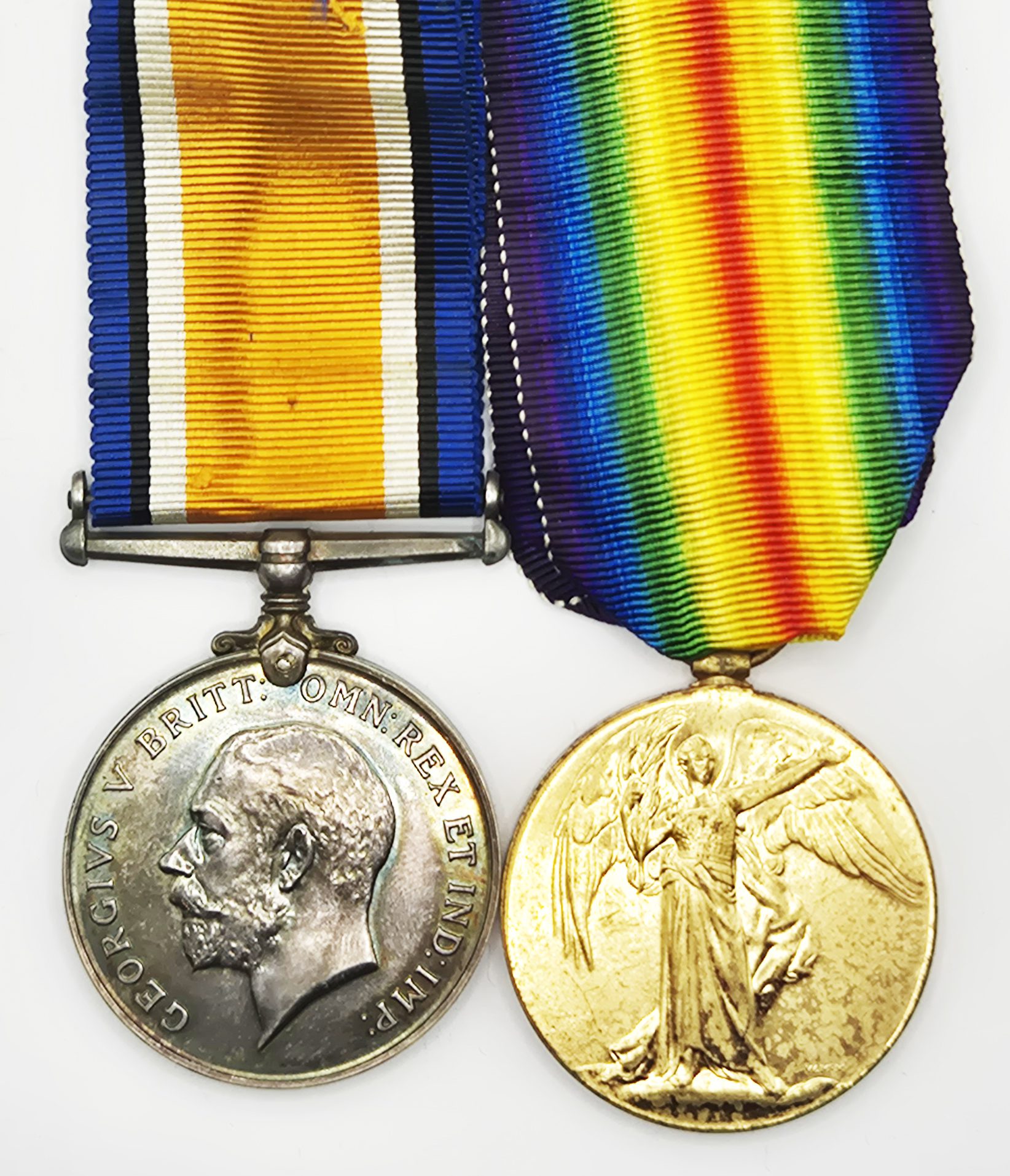
William Baldwin is remembered with honour on the vast Vimy memorial, along with 11,233 other Canadian servicemen who died in France, and have no known grave.

His is also remembered on the St Andrews Church memorial in Limpsfield, Surrey, which is very near his home village of Westerham, Kent.

St Andrews Church Memorial, Limpsfield Chart
St. Andrew's Church, Limpsfield Chart

The quaint main village war memorial is built into the wall of the general stores, and also bears his name, alongside other men of the parish. The latin roughly translates as “Friends and neighbours (who) died for their country.”

Limpsfield war memorial on the general stores.
Limpsfield War memorial

His widow, Maude would later remarry, and return to live at 37 Randall Street, Maidstone, Kent. She died, aged 88, on 30th December 1974 at Loose Valley Nursing Home, Road, Maidstone.

37 Randall St, Maidstone
37 Randall St, Maidstone - Today