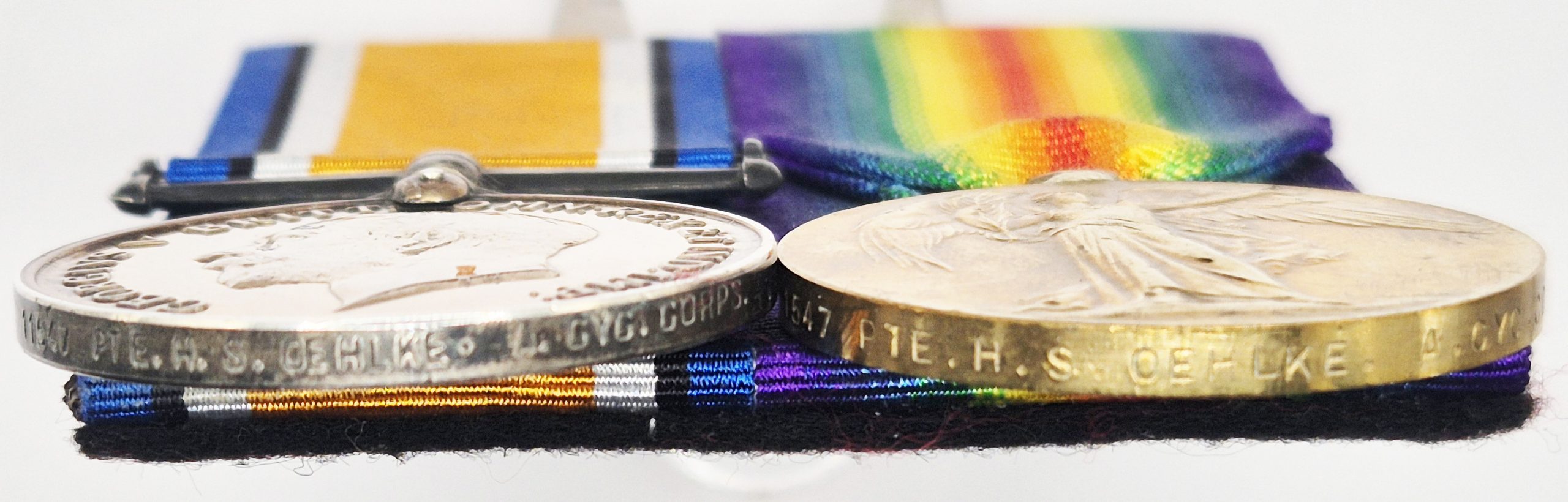
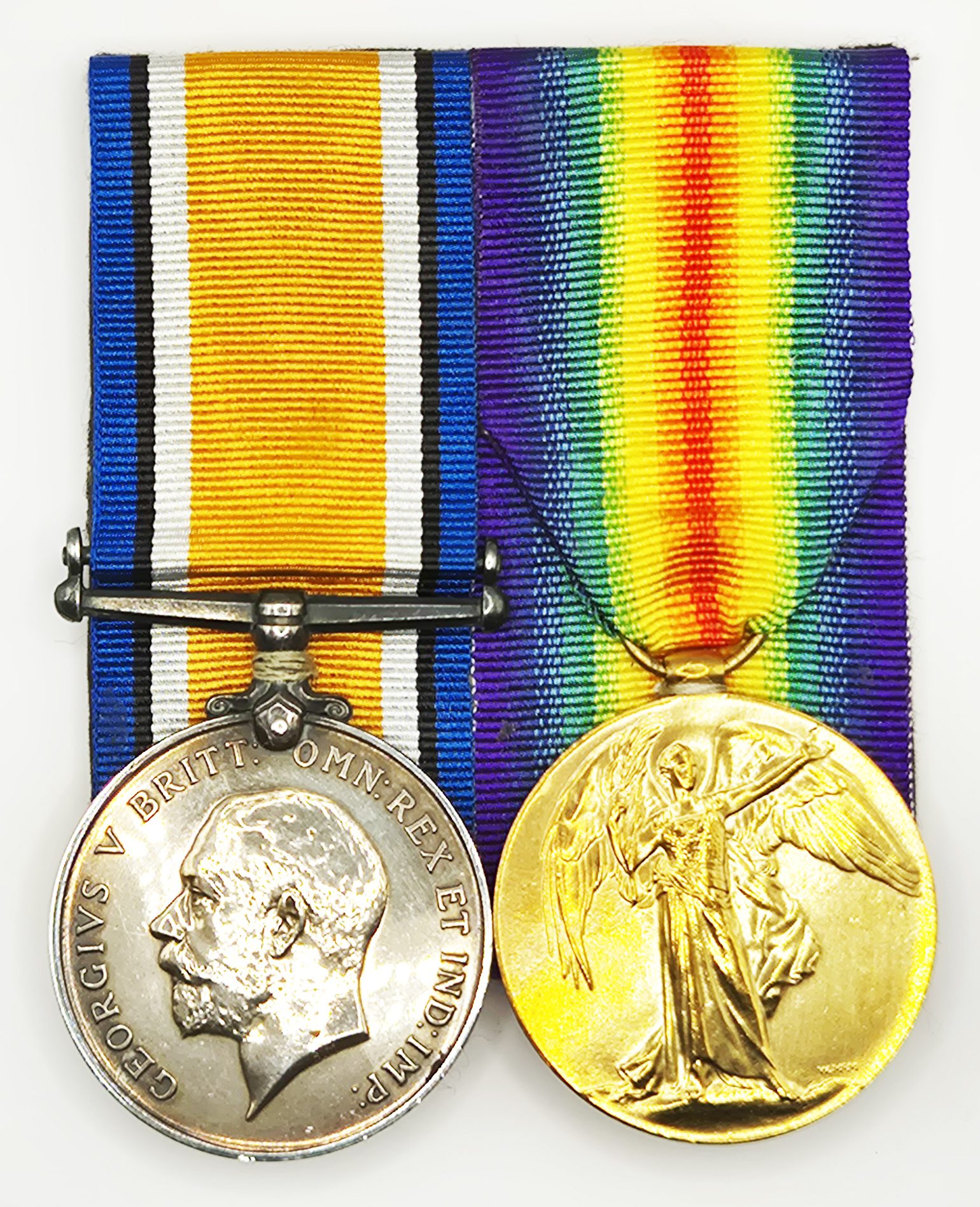
11547 Private Harold Stuart Oehlke (Oakley)

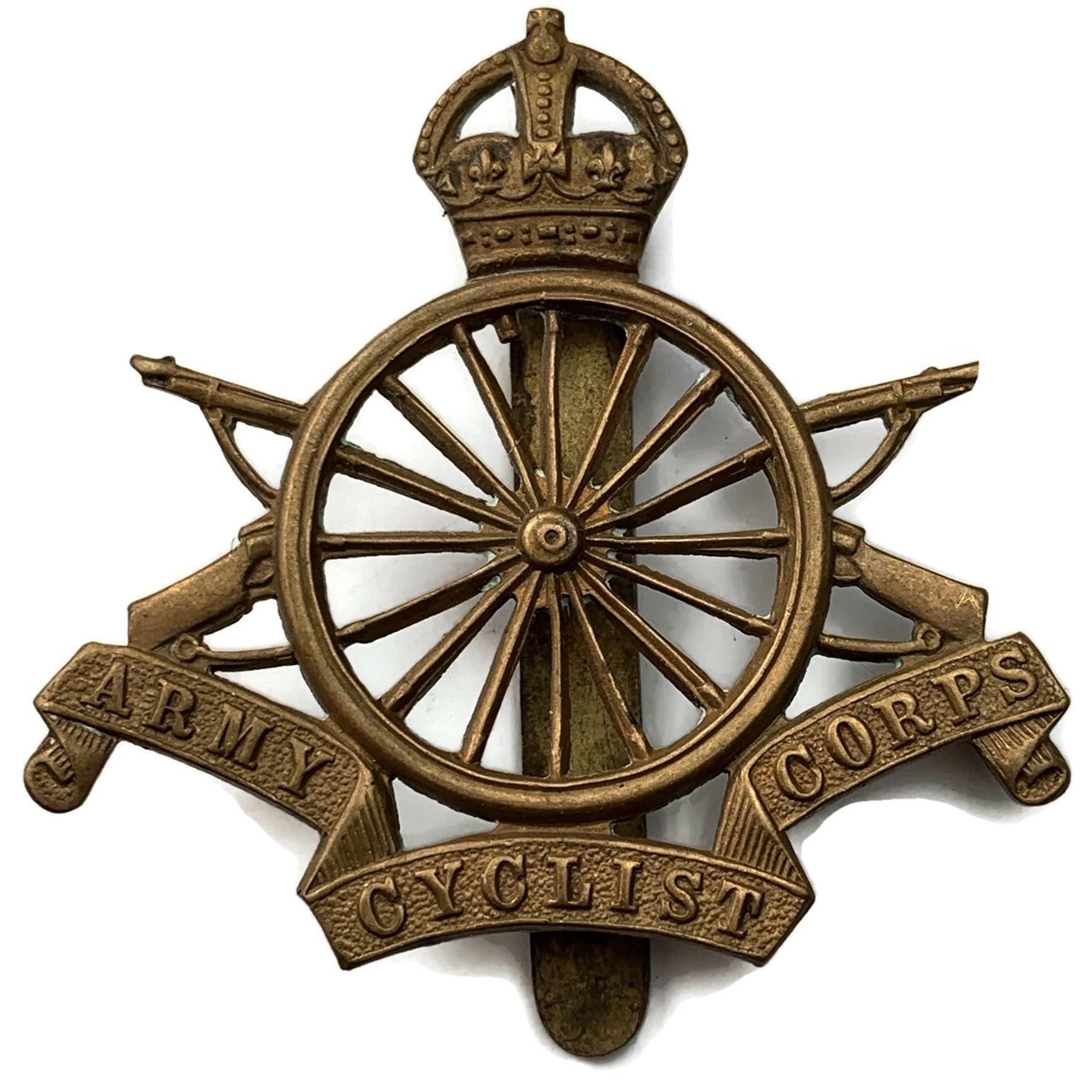
27th Divisional Army Cyclist Corps

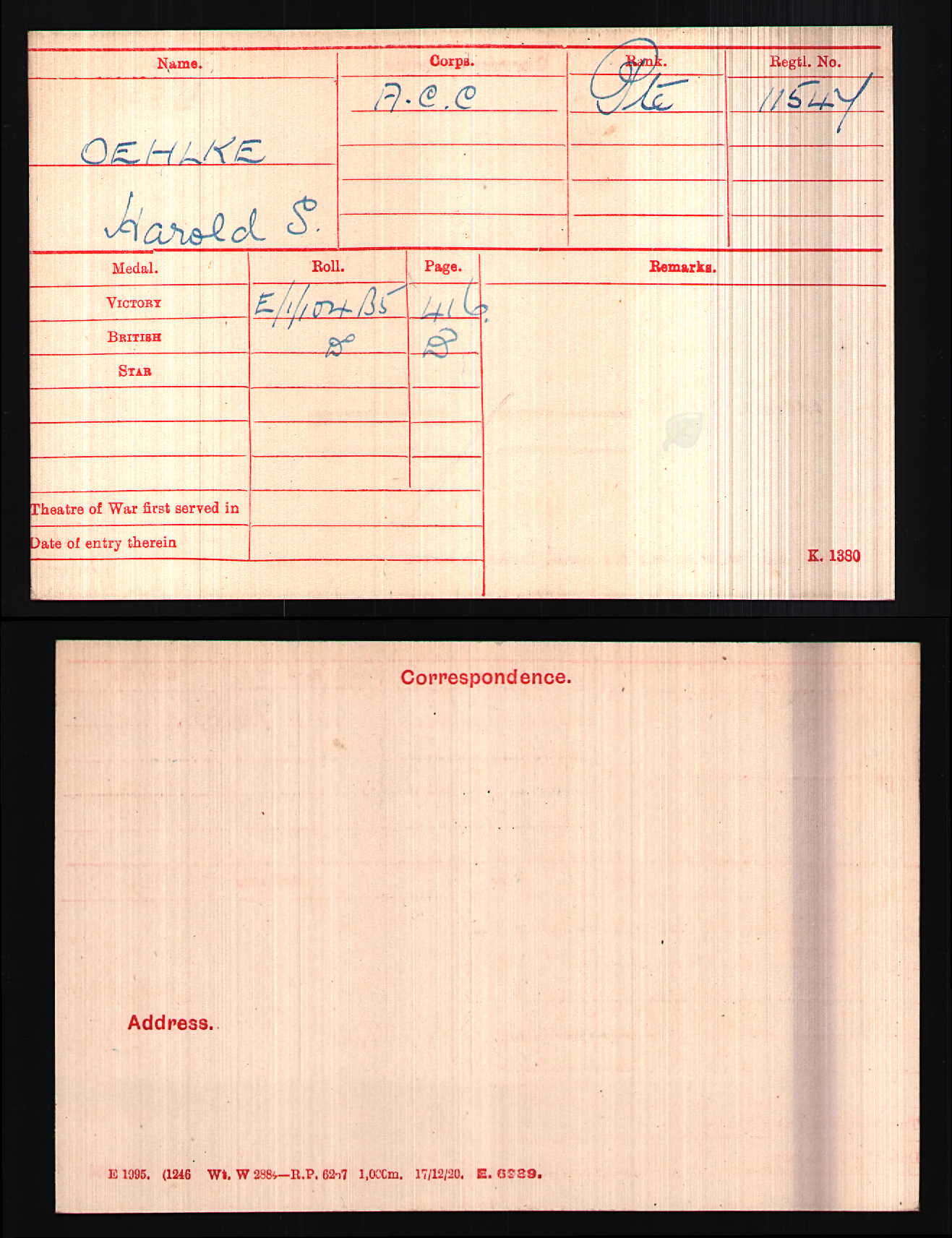
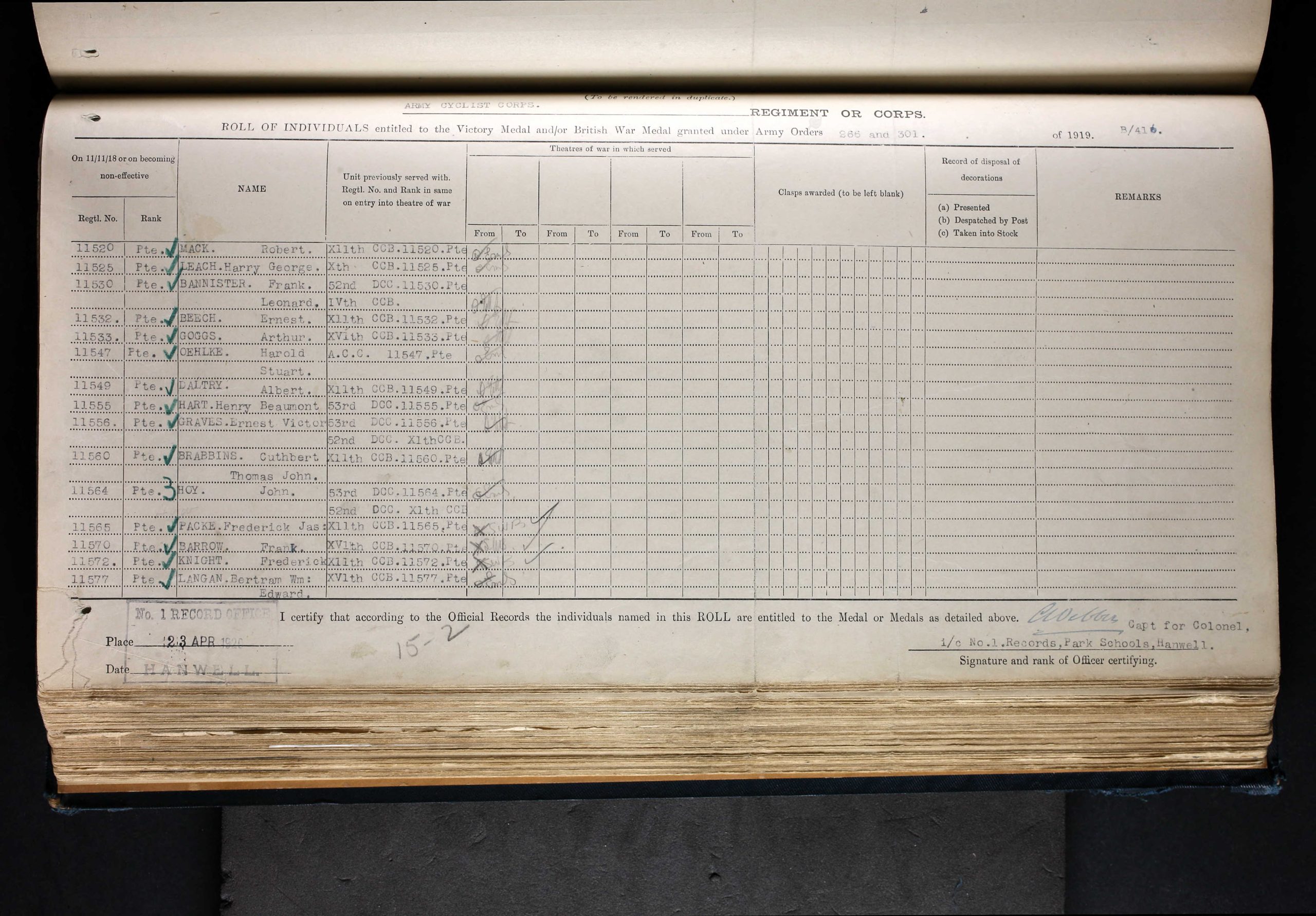
British War Medal and Victory Medal

FAMILY

Harold Stuart Oehlke was born in Camberwell, South London, on 12th Feb 1896.

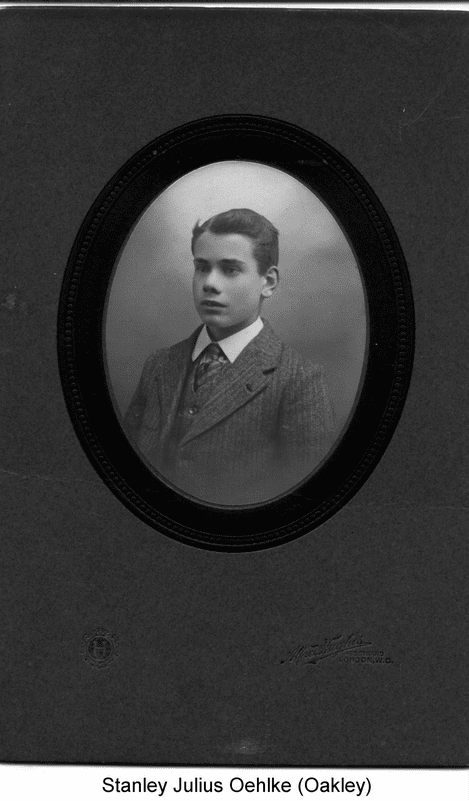
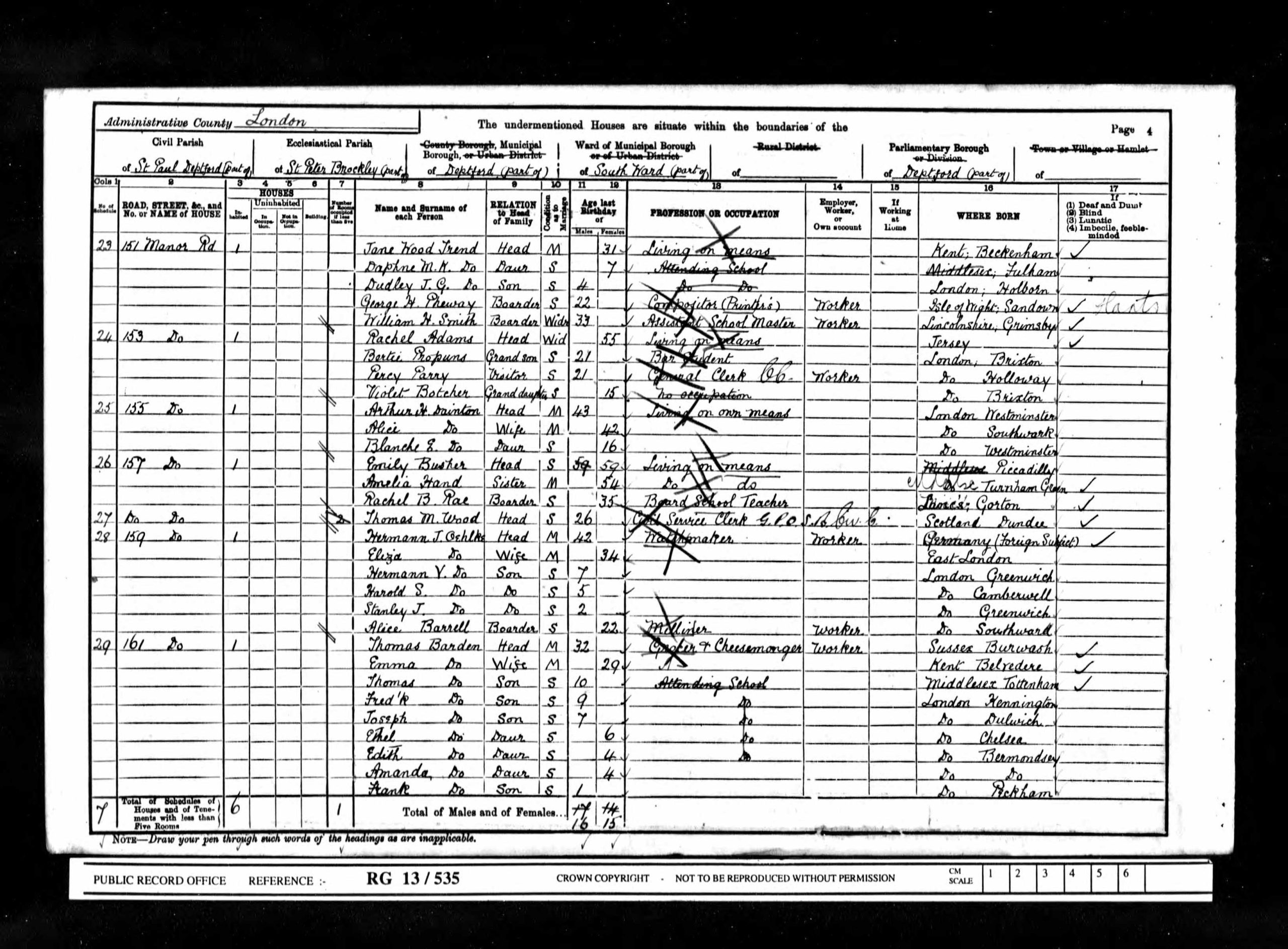
On the 1901 census, he is now 5 years old and living with the family in Manor Road, Brockley, South-East London. The household consists of his German-born Father Hermann (42), who is a watchmaker, his mother Eliza (34) (born in Bethnal Green, East London), his older brother Hermann (7) and Stanley (2). 

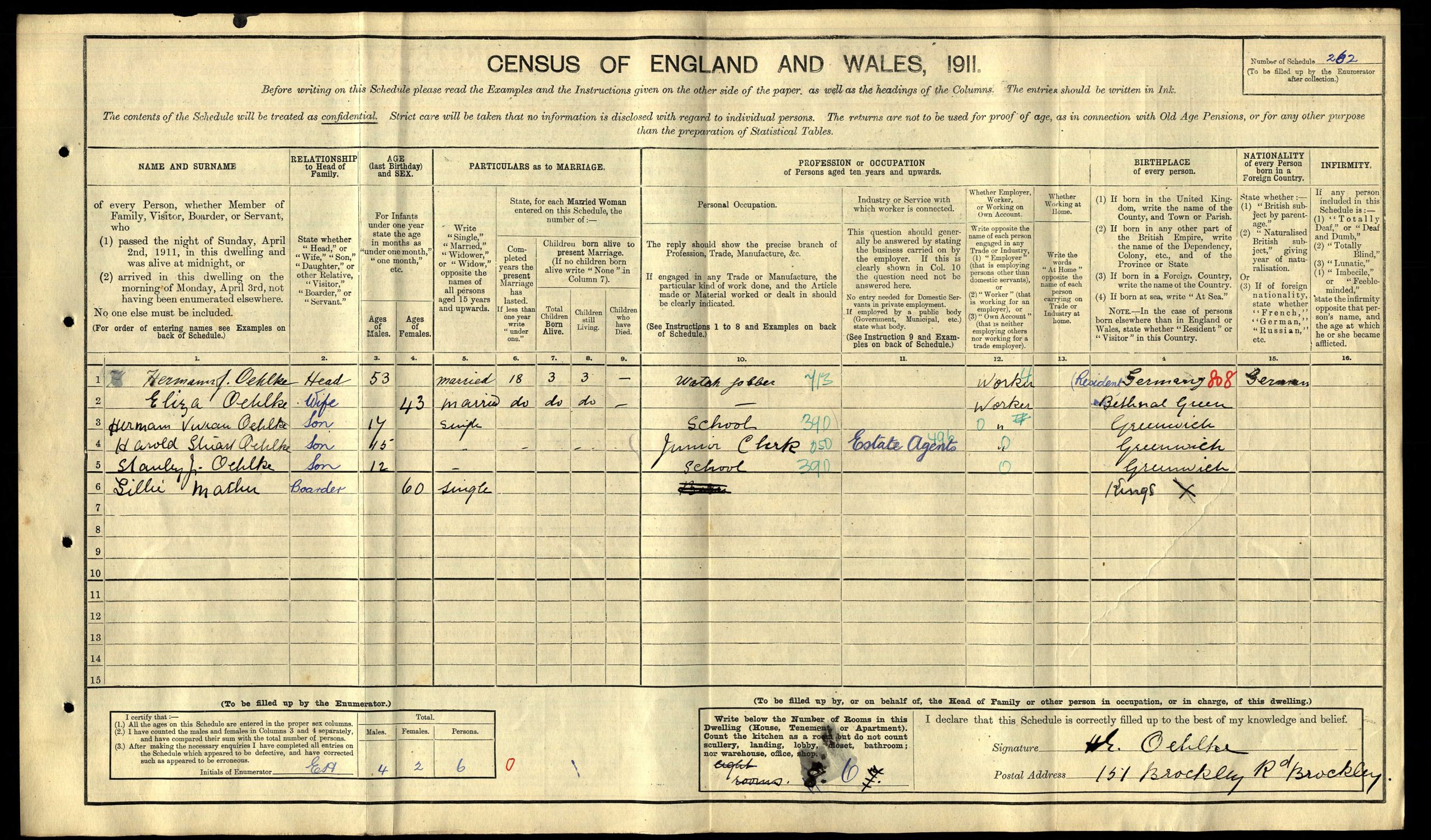
By the 1911 census the family has moved to 151 Brockley Road (shortly after called Upper Brockley Road), Brockley. Whilst his brother Hermann (17) is still at school, Harold himself (15) is now working as a Junior Clerk in an estate agents.

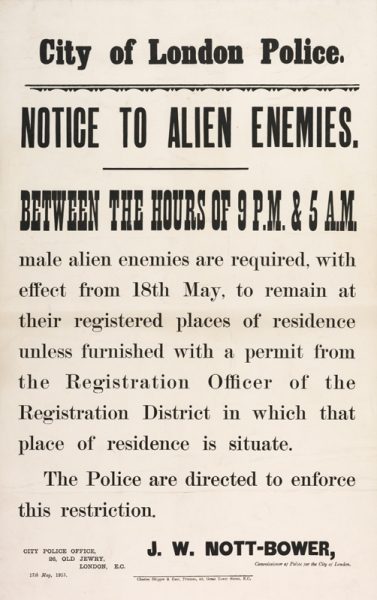
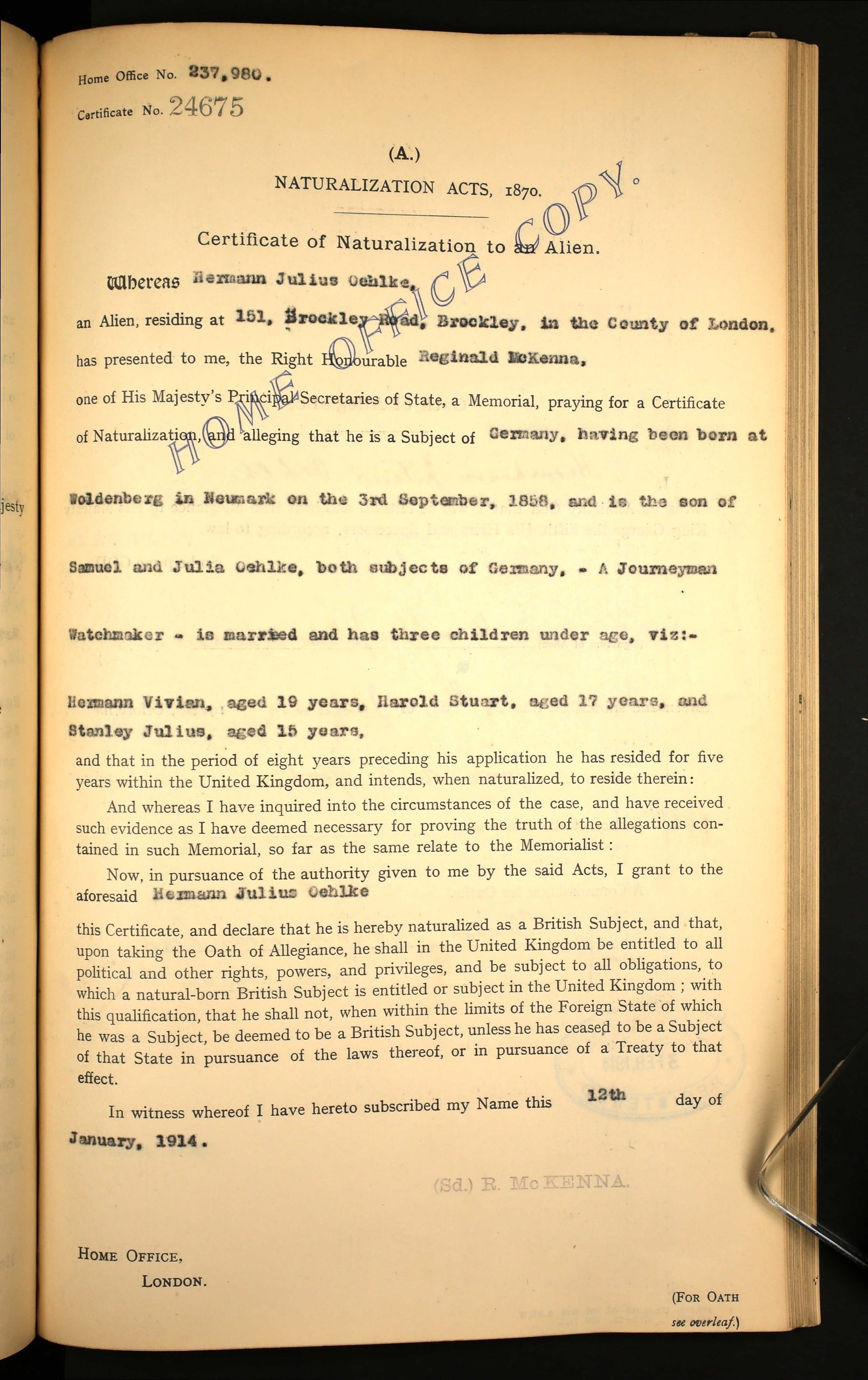
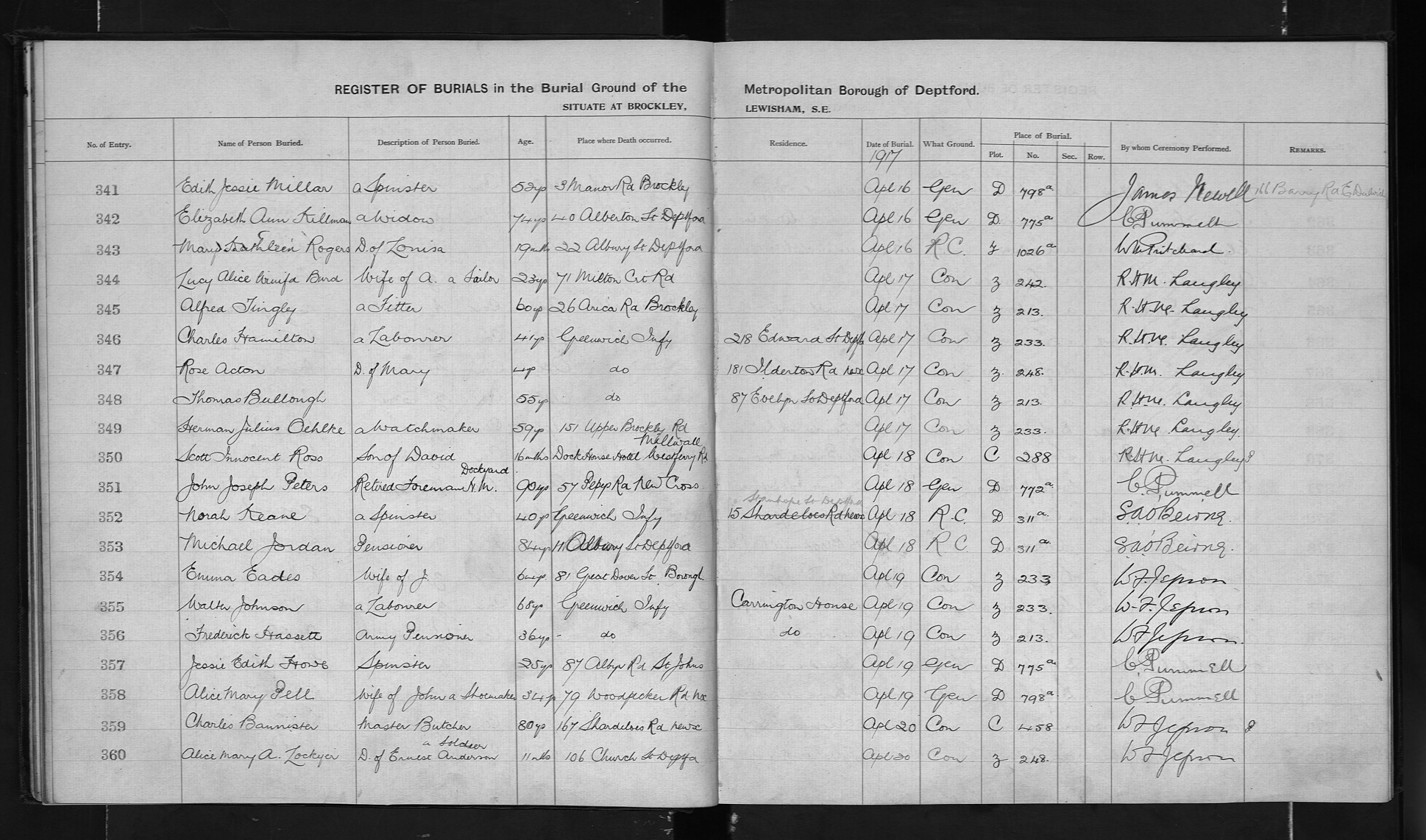
Harold’s father Hermann was naturalised as a British subject 12th January 1914, which was just as well, as the Great War began shortly afterwards on 28th July 1914.

City of London Police. Notice to Alien Enemies. © IWM Art (Pst 8365)

We can’t know if Hermann and his family were subject to any anti-German hostility, but it is very likely. It is perhaps understandable why Harold may not have wanted to volunteer, even throughout the government-backed Derby Scheme, whereby men of fighting age were pressured to enlist.

He was finally compelled to attest on 6th March 1916, just a few days after the Military Service Act came into effect. The form shows he had received notice to attend. At the time he was working as a tailor, and is shown to be 5 ft 7 ½ inches tall. 

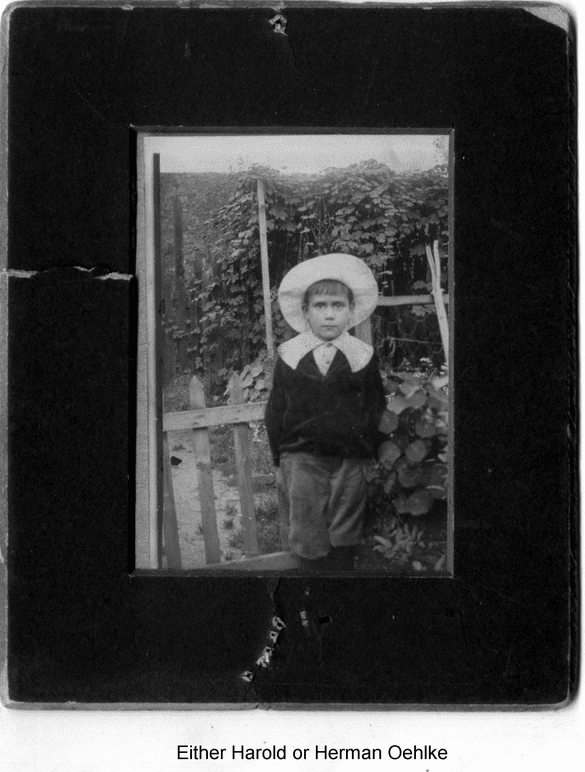
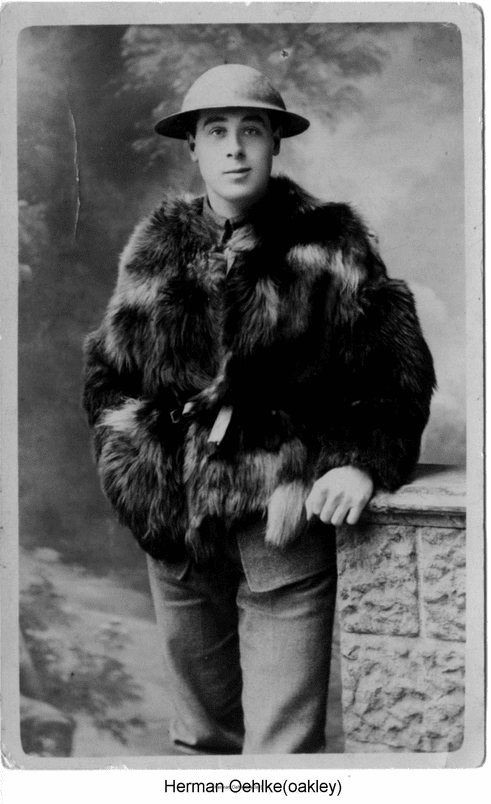
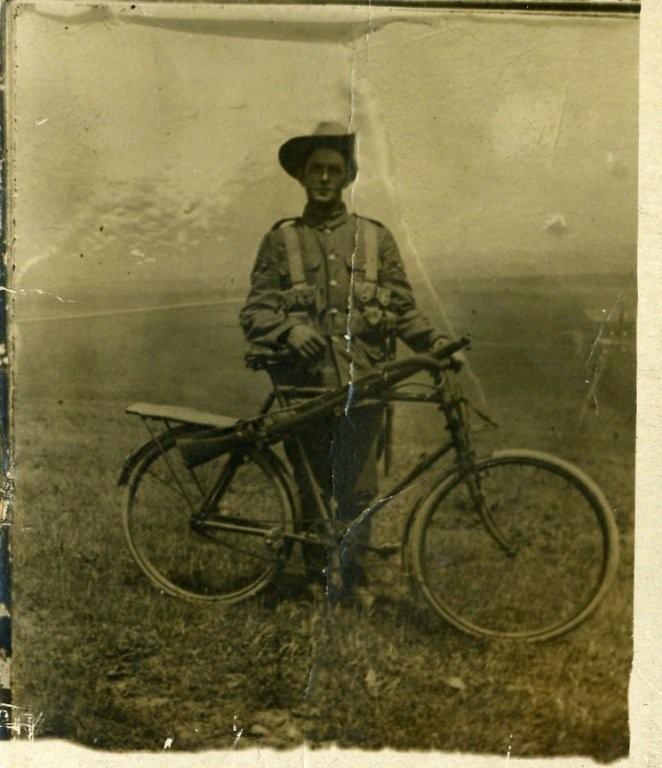
Whilst this photograph was labelled as being Herman (sic) Oehlke, I could find not records of him serving in the military, so I believe this to be Harold Oehlke.

He was sent, shortly afterwards to join the 27th Division who had landed in the Greek port of Salonika (now Thessaloniki) in February, having previously fought on the Western front. The Salonika campaign, sometimes called the Macedonian front had begun the previous October and was formed as a result of an attempt by the Allied Powers to aid Serbia, in the autumn of 1915, against the combined attack of Germany, Austria-Hungary and Bulgaria.

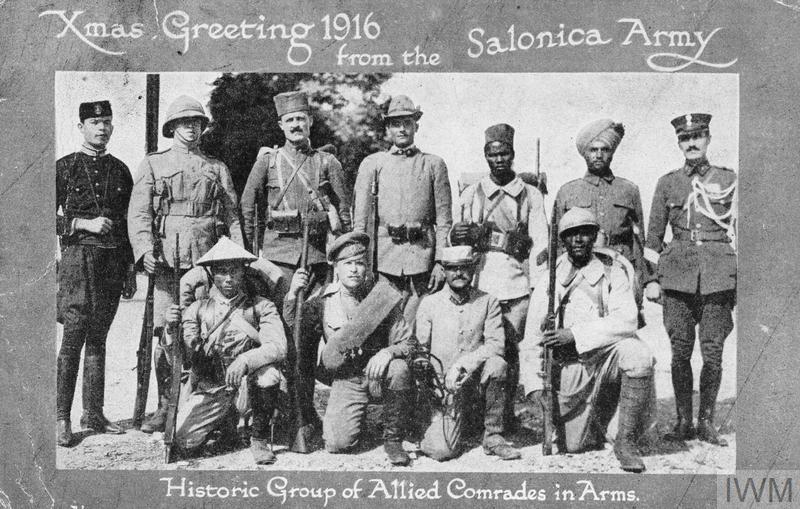
THE MACEDONIAN CAMPAIGN, 1915 -1918 (Q 67857) The Salonika Army Christmas Card 1916 displaying soldiers of all Allied nations taking part in the campaign. From left to right standing: Montenegrin, British, Serbian, Italian, French Colonial Zouave, Indian, Greek. Kneeling: French Colonial Cochin Chinese, Russian, French, French Colonial. Copyright: © IWM. Original Source: http://www.iwm.org.uk/collections/item/object/205315079

The British Salonika Force (BSF) fought alongside French, Greek, Italian, Russian and Serbian contingents. British and French colonial troops from the Indian subcontinent, Africa, and Indochina also took part. Of a total allied force of around 600,000 men the BSF numbered 220,000 men at its peak strength.

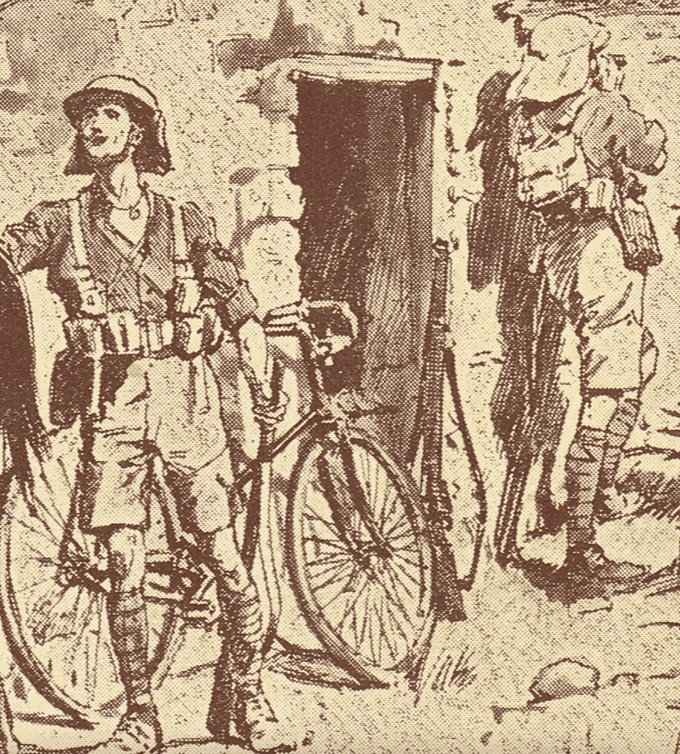
Harold appears to have served as a cyclist, including with the machine gun corps. Cyclists in Salonika were equipped as infantrymen, and were often used for reconnaissance and scouting. They were also frequently used for labour tasks, and sometimes frontline fighting.

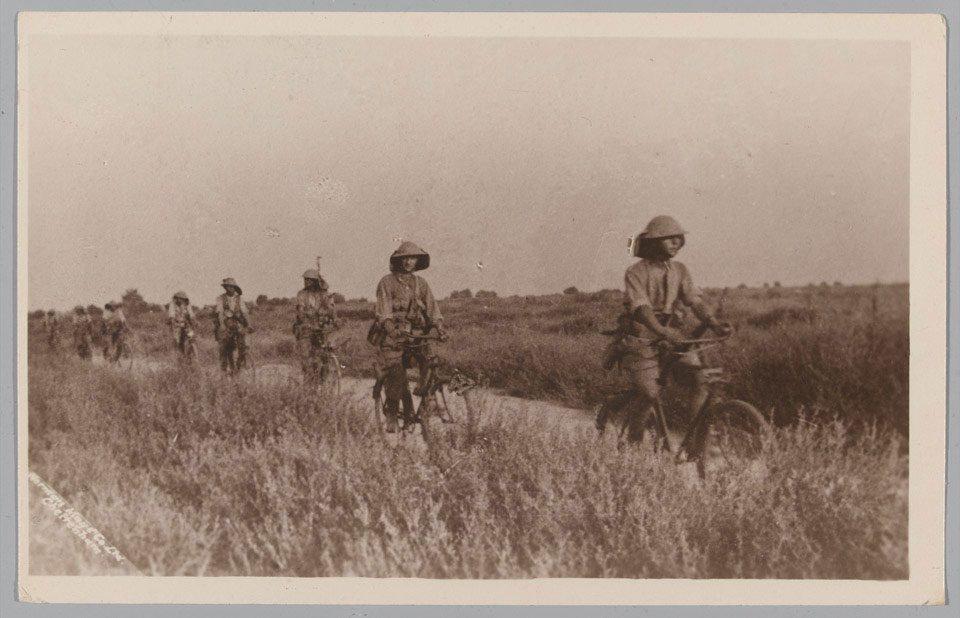
Unlike the Western Front, where trench warfare limited their mobility, the varied terrain more fluid nature of the Macedonian front allowed cyclists to operate effectively behind the lines and in the sector’s valleys. Most notably, cyclists were used to great effect patrolling the Struma valley in Bulgaria.

Patrolling the Struma Valley on bicycles, 1917 - copyright National Army Museum
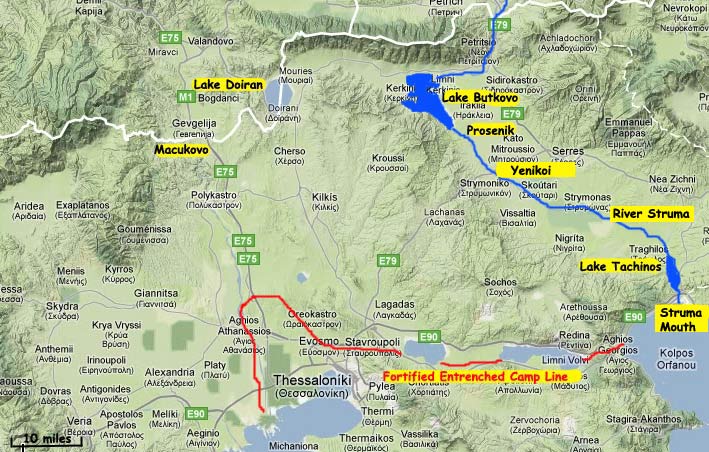
The "Struma-line" on the Macedonian front.

In the Struma Valley, the British used cyclists and cavalry to patrol and fortify villages in order to deny them to the Bulgarians and Turks. Both sides evacuated the valley in the summer, owing mainly to the prevalence of malaria. There were a total of around 160,000 cases of malaria treated in aid stations and hospitals, which accounted for almost the entire fighting force of the BSF. One such case was Harold. Upon his return to England, his papers note he had been treated for malaria, and the army considered him to be “10%” disabled due to this. Many men had health problems for the rest of their lives from the complications of Malaria from the Salonika campaign.

Drawing by J. A. Stewart for the Cyclists and Corps Cavalry Christmas card of 1917
An example of a typical scout cyclist - LCpl Fred Braysher of 28th Divisional Cyclist Company in Salonika, early 1916. The clue to the location and date is the slouch hat which was ‘in vogue’ with the BSF in spring and early summer 1916, until sun helmets were issued. Note the mounted rifle on the bicycle's frame.

We can’t be sure which engagements Harold was part of, but his Division was in action in the following places –

30 September – 2 October 1916: the capture of Karajakois

3-4 October 1916: the capture of Yenikoi

17 November and 6-7 December 1916: the battle of Tumbitza Farm

14 October 1917: the capture of Homondos

1-30 September 1918: the final offensive in Salonika, including the division’s part in the capture of the Roche Noir Salient (1-2 September), the passage of the Vardar river and pursuit to the Strumica valley (22-30 September)

Hostilities with Bulgaria ceased on 30 September, with the 27th Division by then in the area Kosturino – Rabrovo – Cestovo. The division continued to advance and passed Krupnik by the end of October. 27th Division was ordered to halt and turn about on 2 November, embarking in December for operations on the Black Sea. It reached Constantinople on 19 December and opened HQ at Tiflis in January 1919. The division was not disbanded until 24 September 1919, by which time it was at Batum.
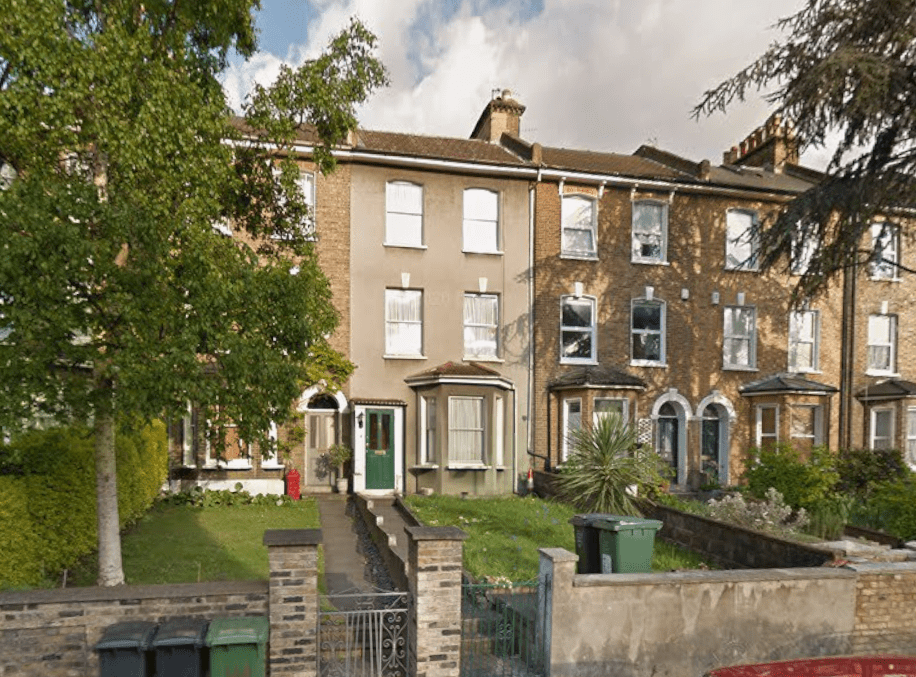
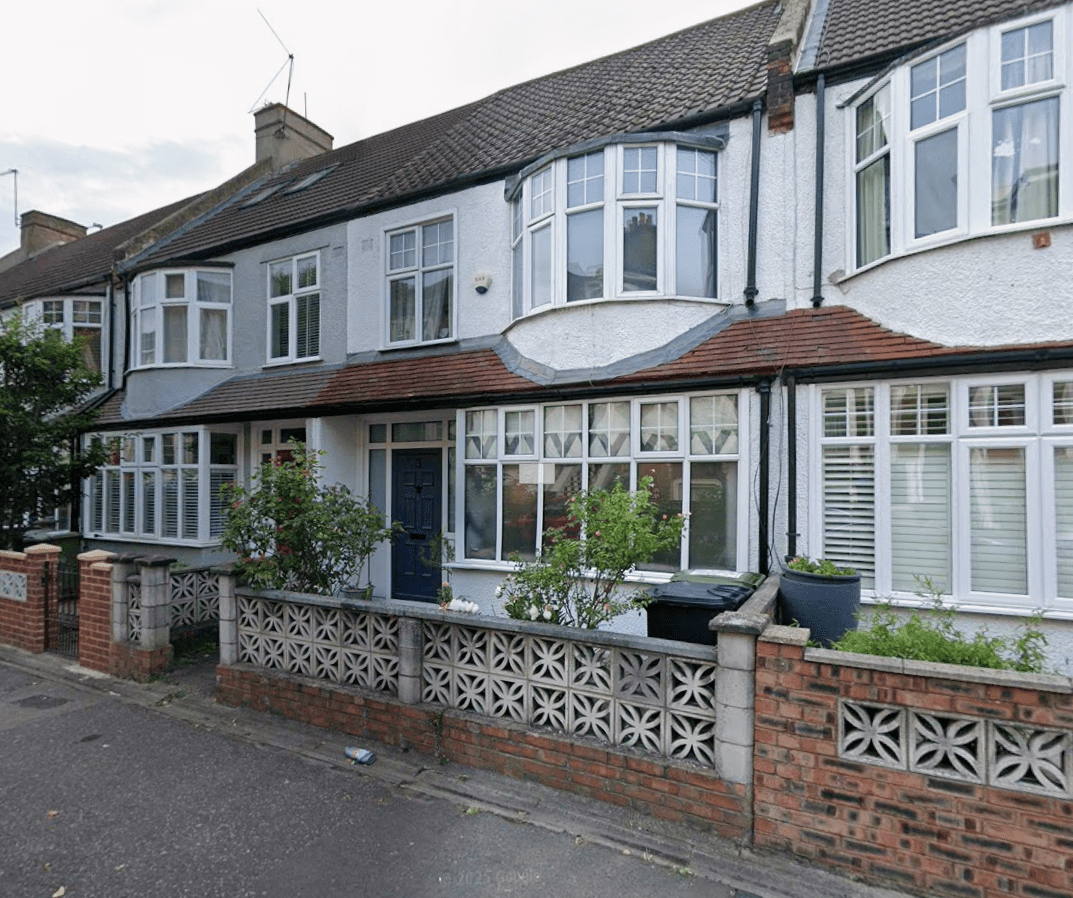
151 Upper Brockley Road, today.

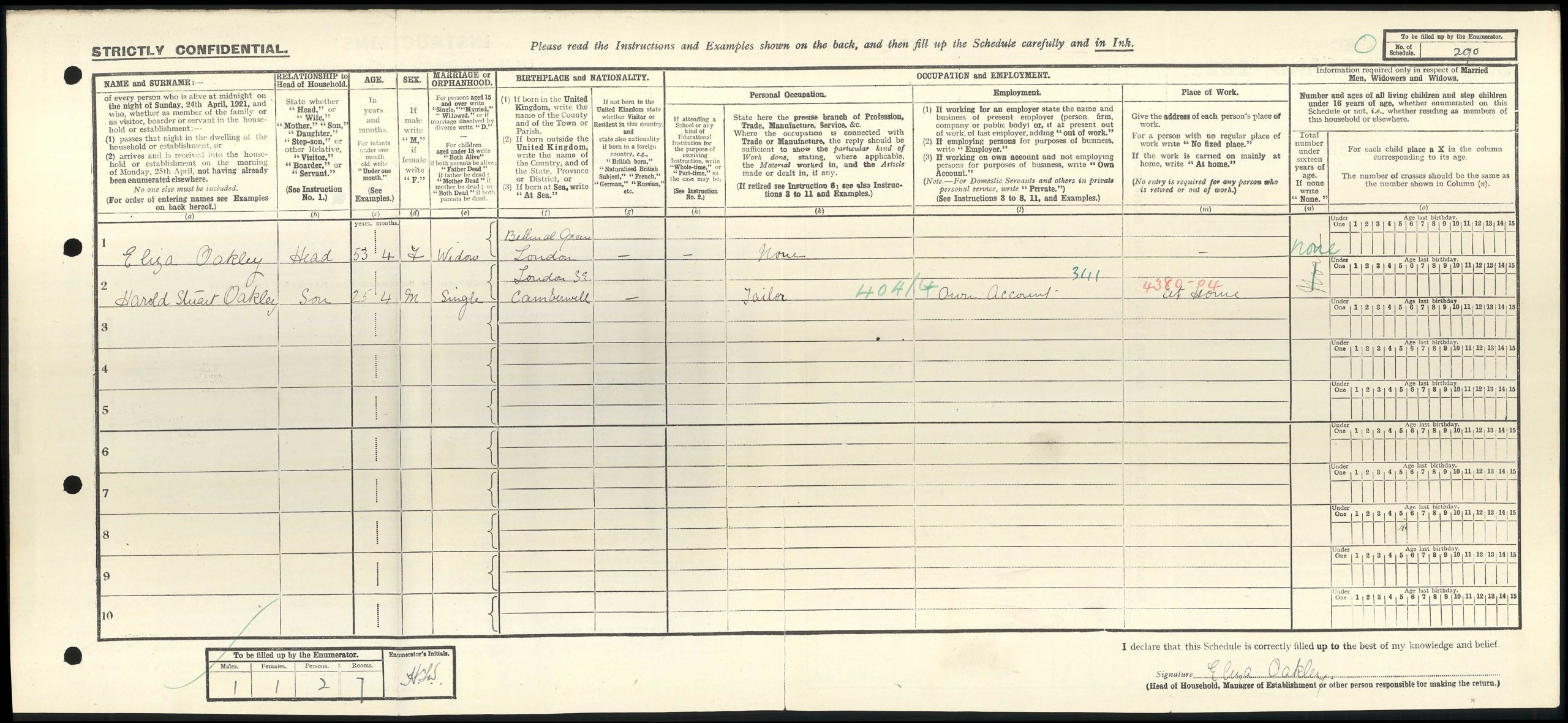
Harold returned to England at the end of 1919, having served overseas for two and a half years. In 1921 he is living back at 151 Upper Brockley Road with his mother, working once again as a tailor. Eliza is listed as a widow, and following her husband’s death has changed her name to Oakley, no doubt to avoid any of further anti-German hostility following the end of the war. Harold himself has also changed his name likewise, indeed it would seem the whole family did the same. A search uncovered a copy of Harold’s brother Stanley’s deed poll to officially change his name in 1924.

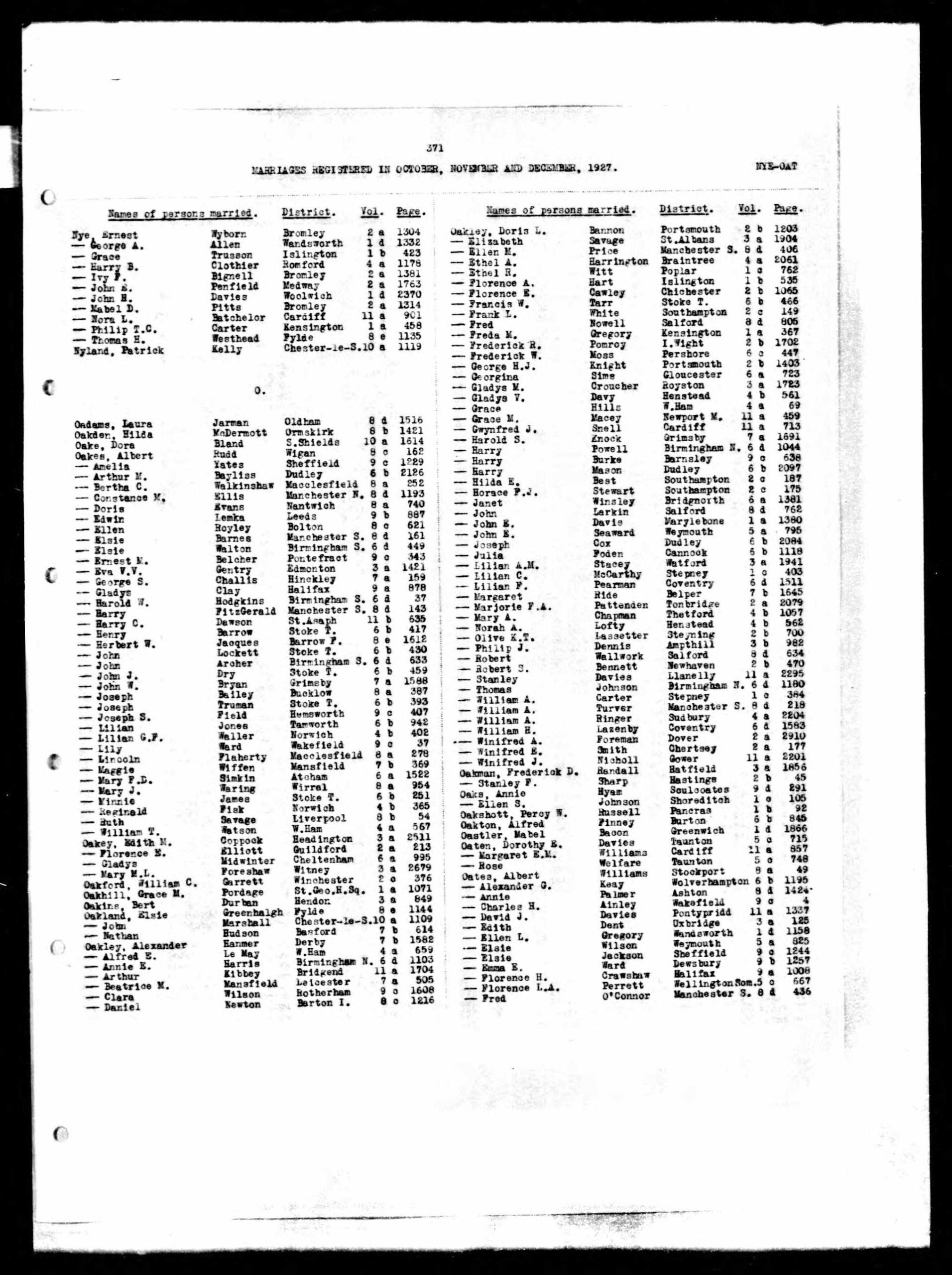
Harold married in 1927 to Winifred Ester Knock. They had a son Derek Stuart Oakley on 11th April 1929.

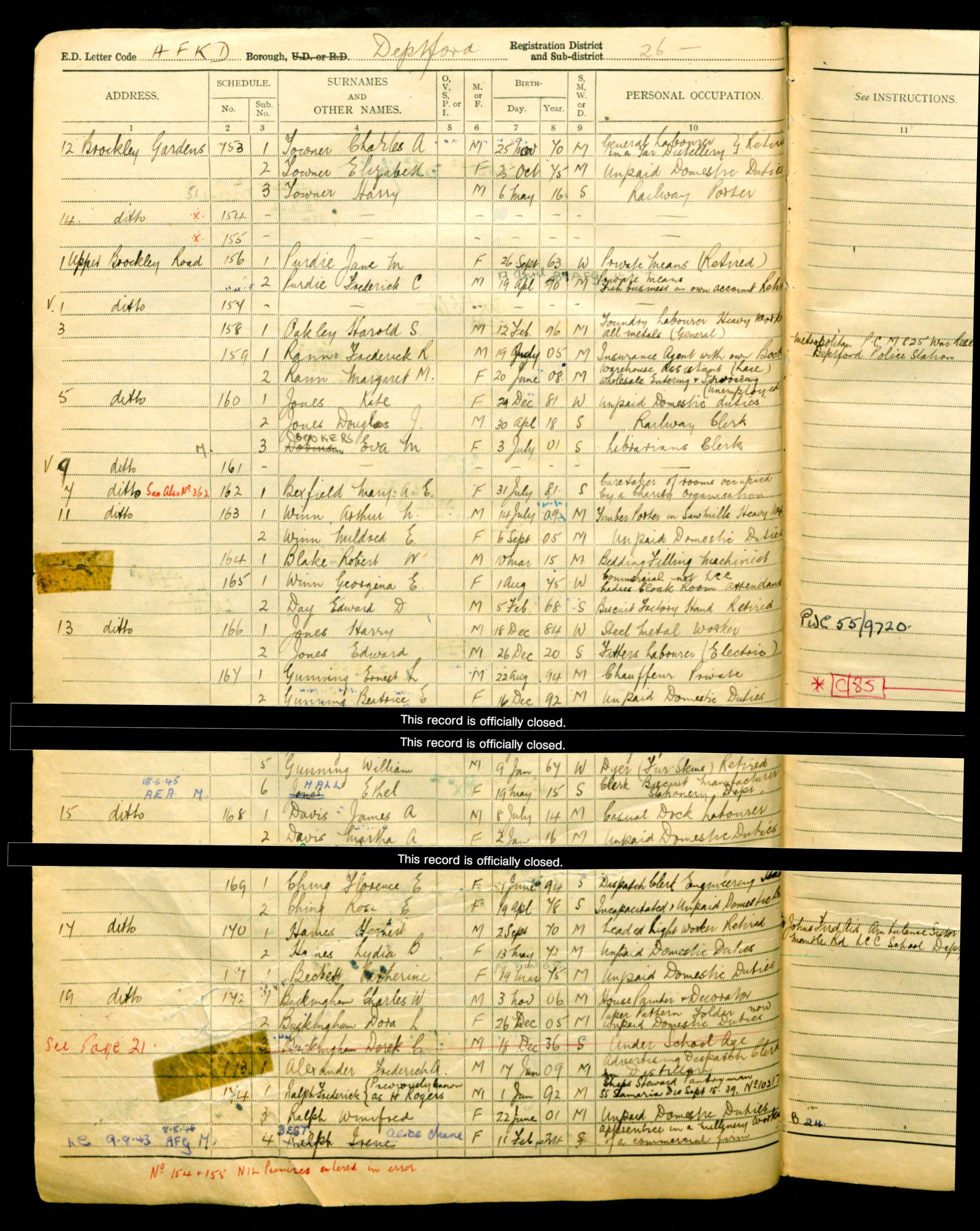
It would appear that the marriage didn’t last, as Harold is shown living with a married couple at nearby 3 Upper Brockley Road on the 1939 register, although his wife and son are absent. At this time he is employed as a metal foundry labourer.

3 Upper Brockley Road, today.

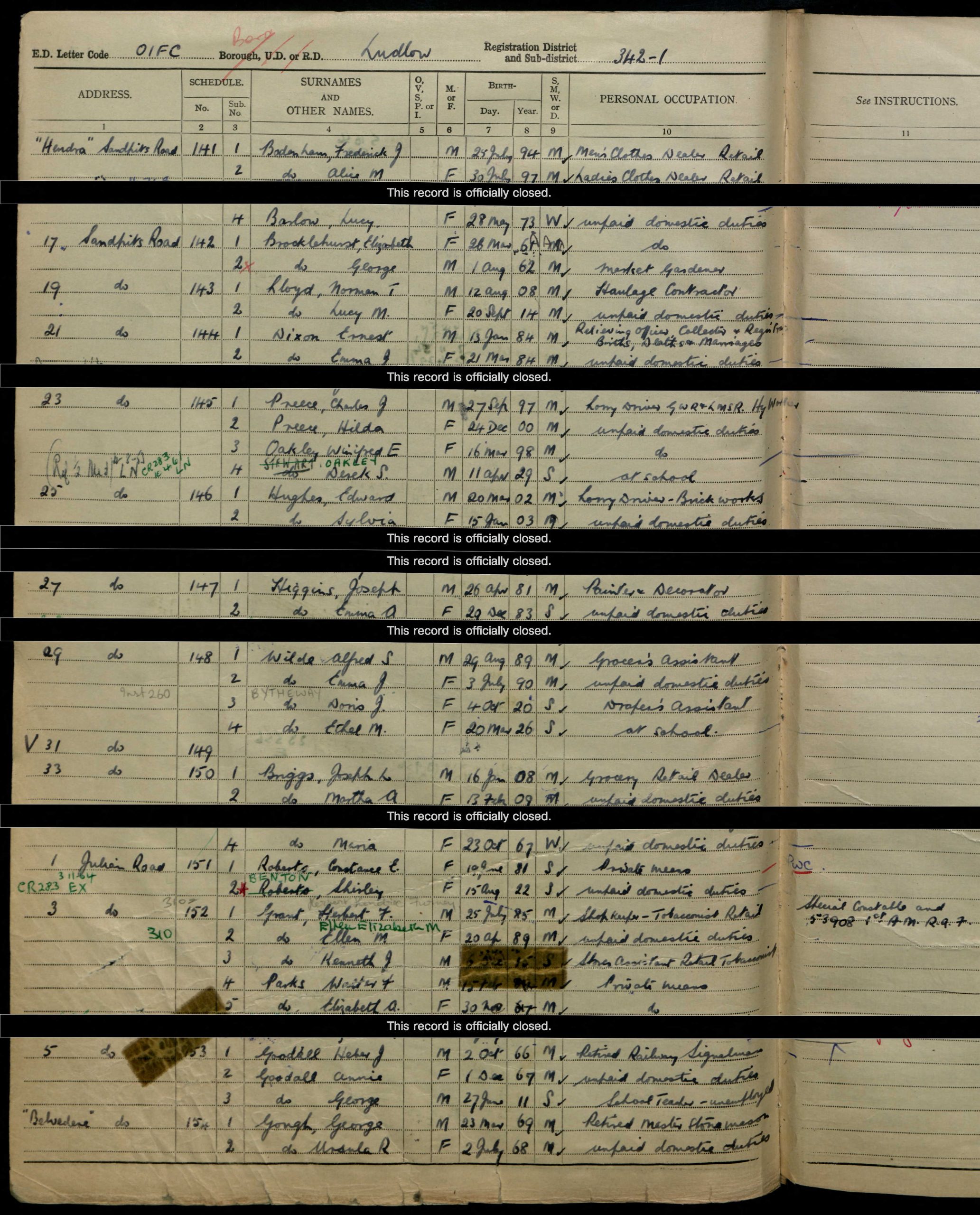
Winifred can be found living quite some distance away in Ludlow, Shropshire with their son, Derek (now 10). She is not employed, and living with a couple called Charles and Hilda Preece. Charles is a lorry driver. There is strong evidence to suggest, though, that Winifred and Harold resumed co-habiting at a later date.

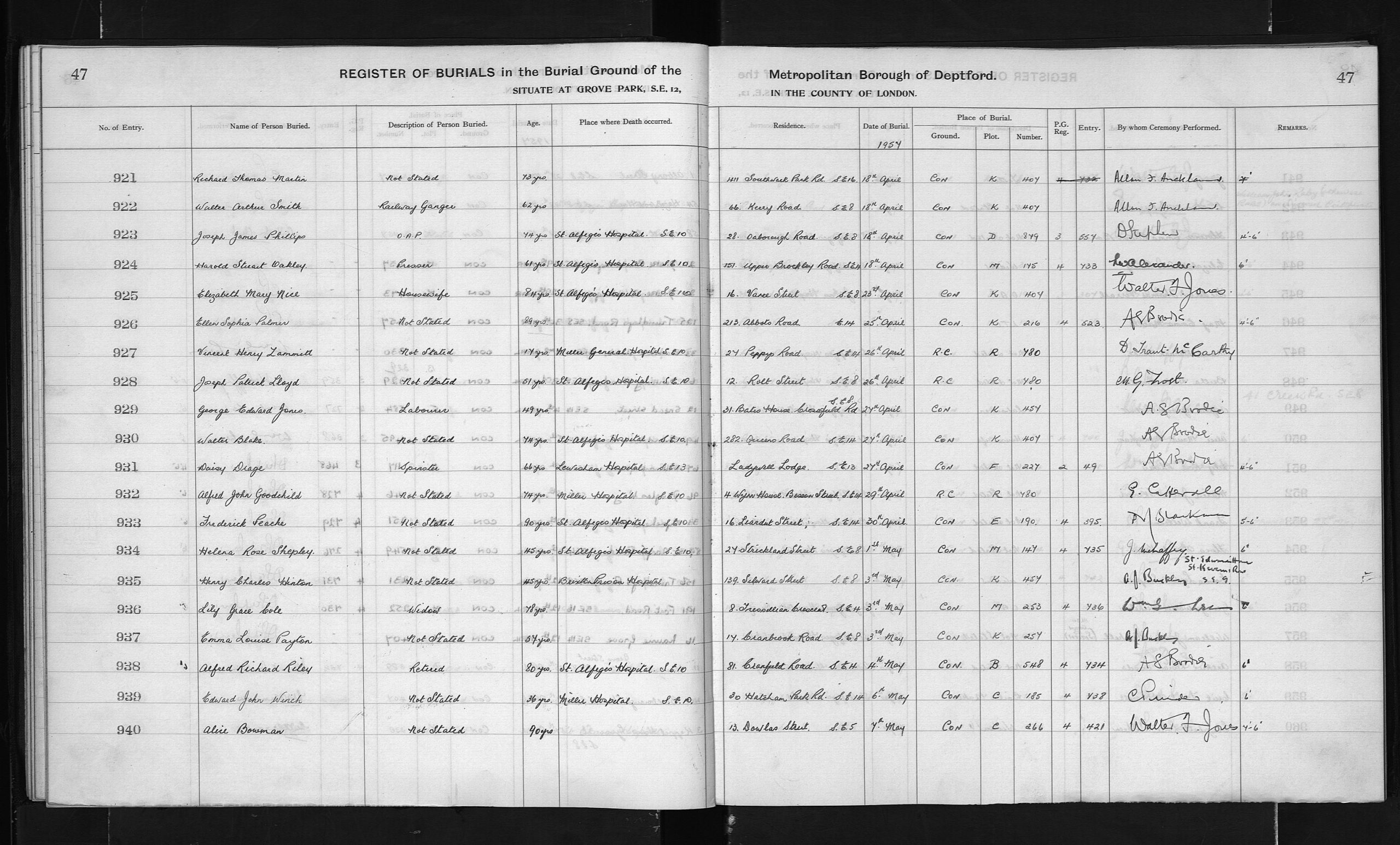
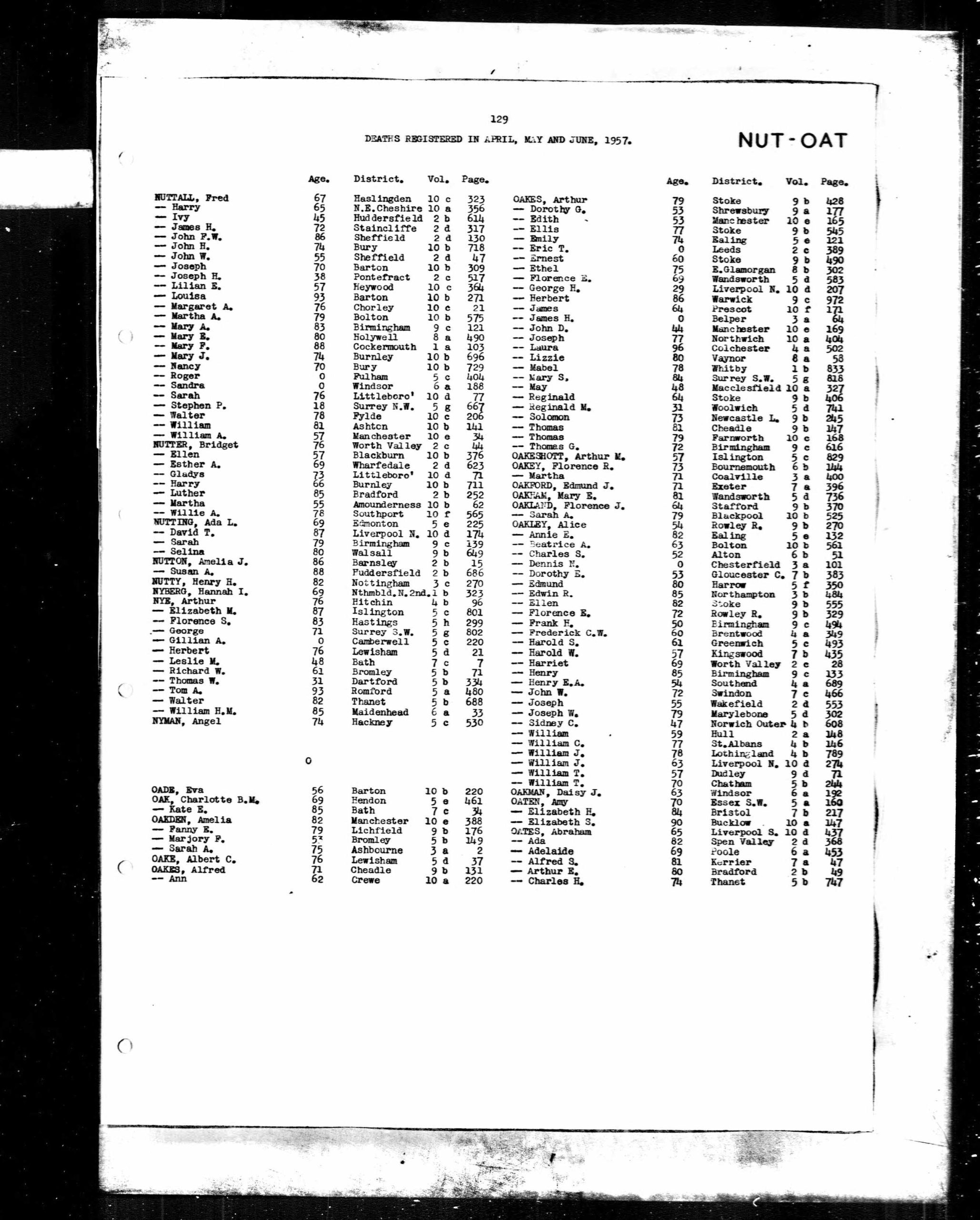
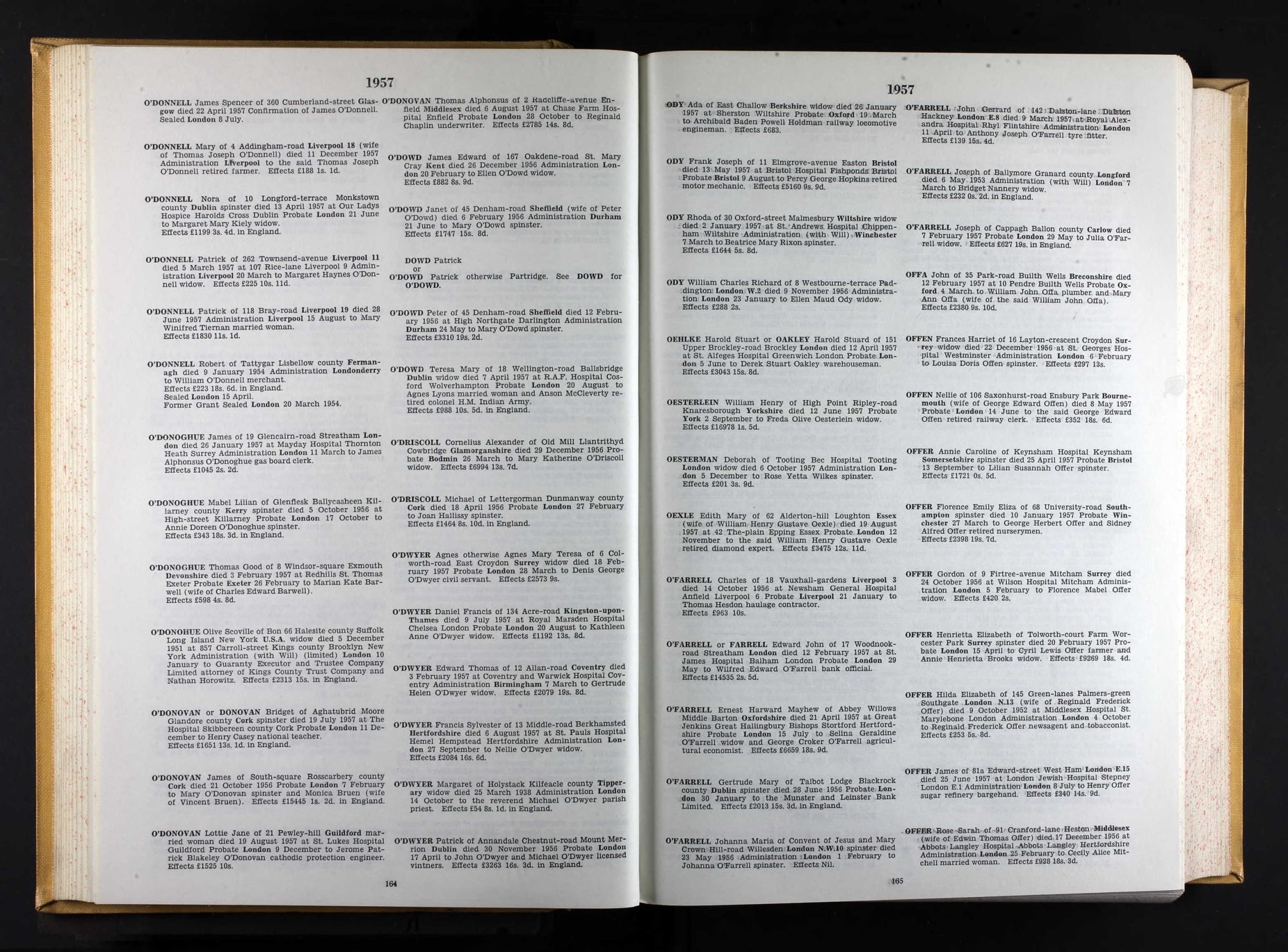
Harold died in hospital in Greenwich 12th April 1957. His home address is once again given as 151 Upper Brockley Road. He left his estate of £3043 to his son Derek.

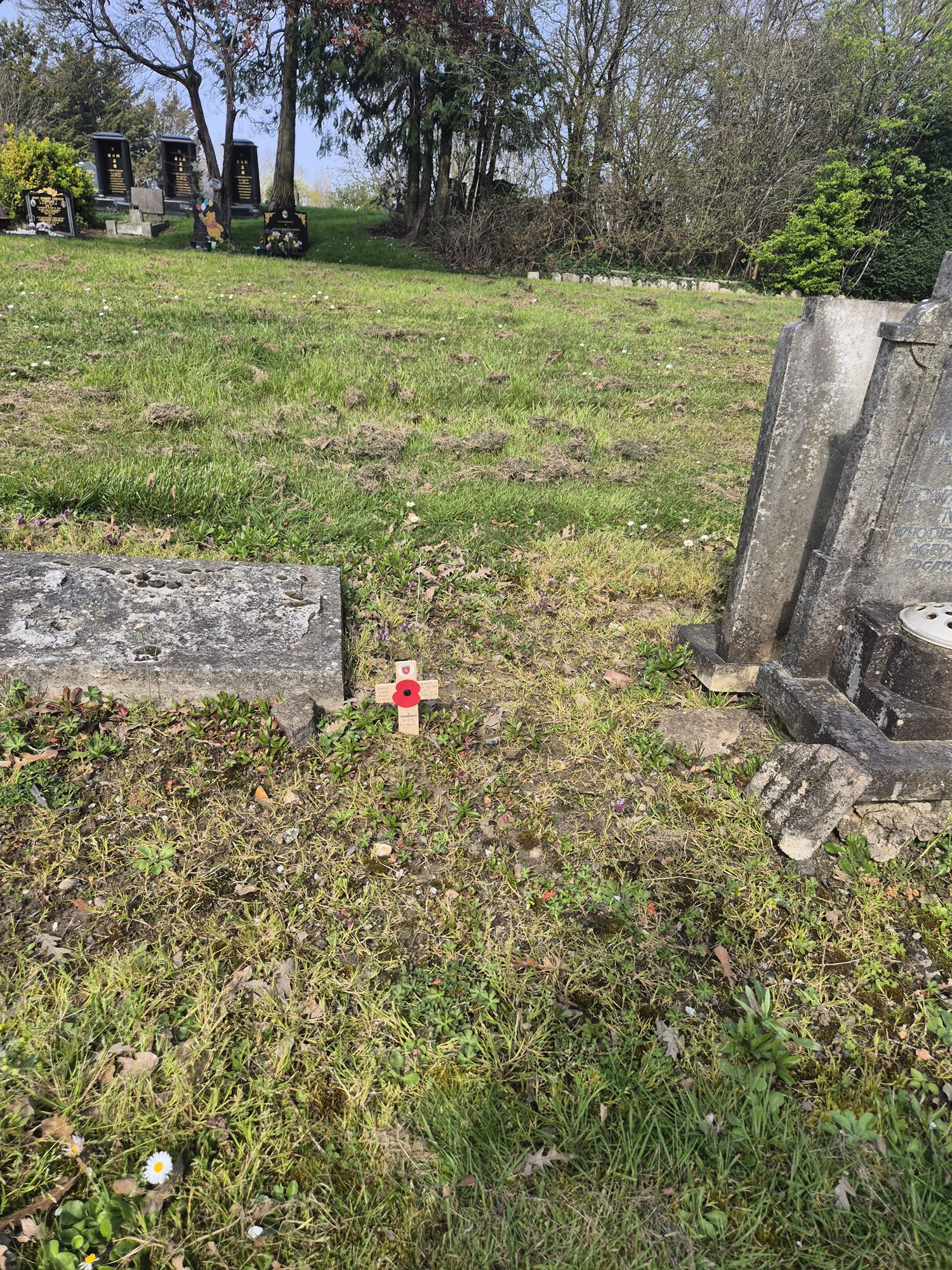
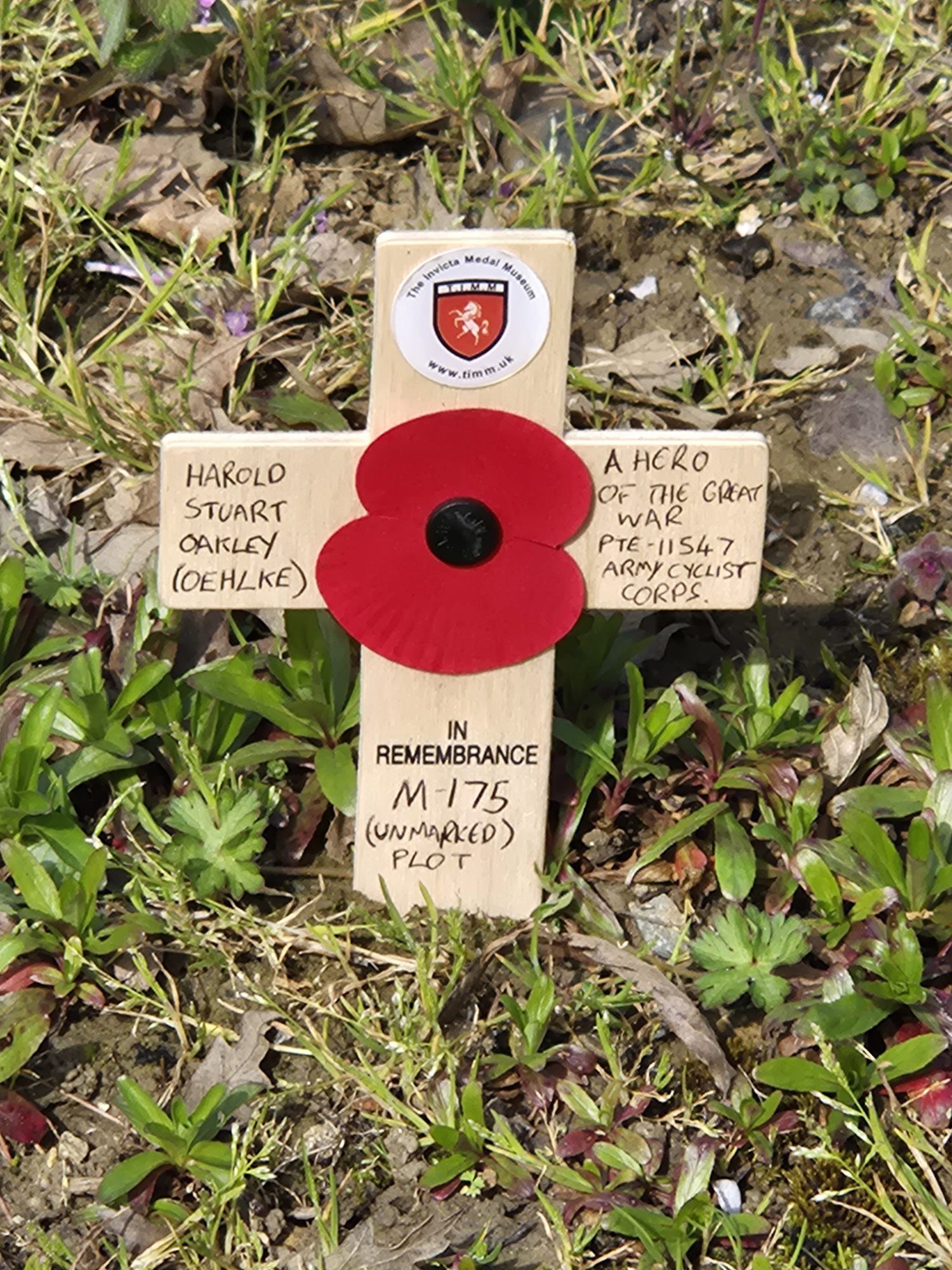
He is buried in Grove Park Cemetery in South London. Today, his grave (M-157) is sadly unmarked.

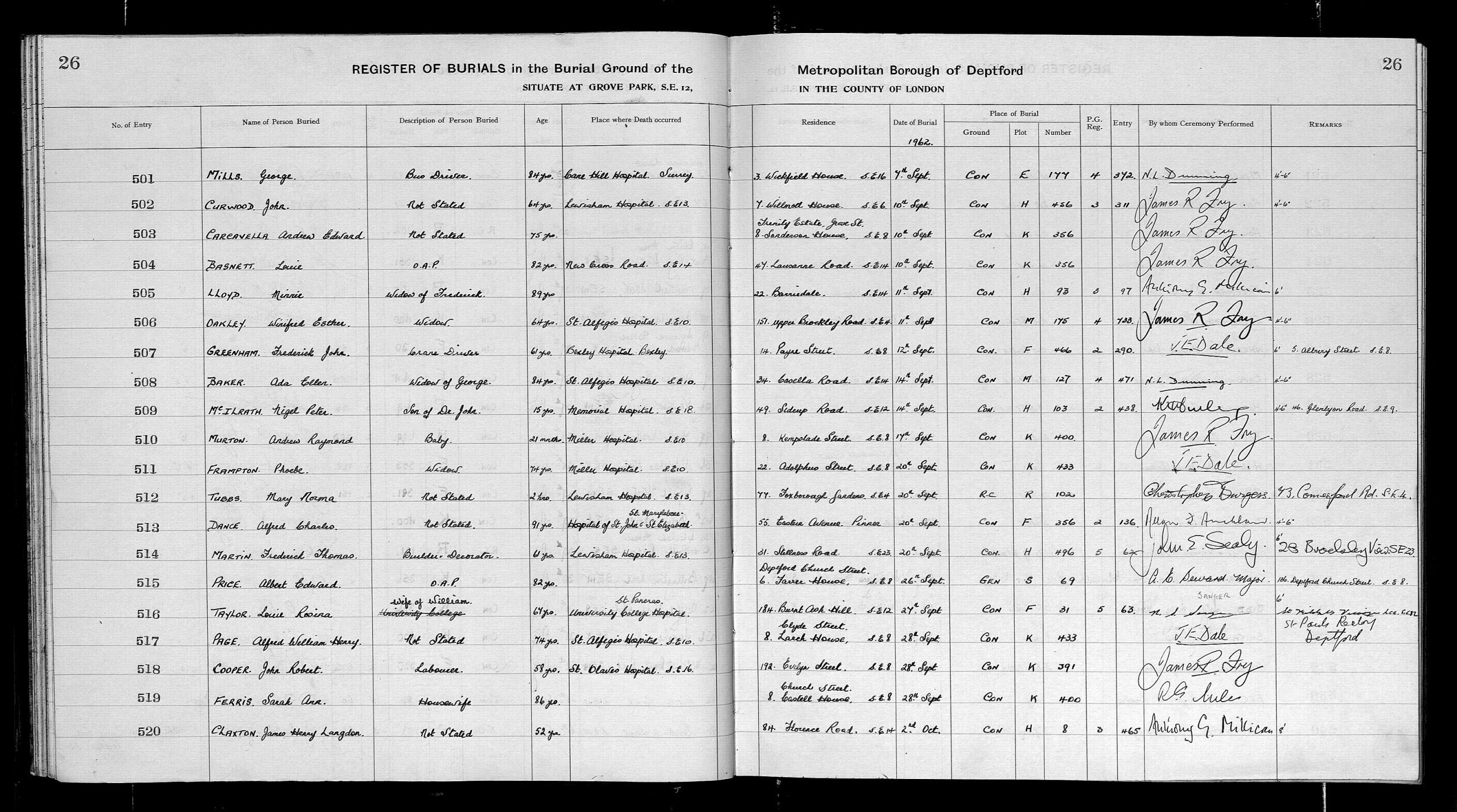
Winifred’s burial entry shows she was living at 151 Upper Brockley Road at  the time of her death in 1962, and she is buried in the same plot (M-175) as Harold.

Harold Stuart Oakley - Grove Park Cemetery Plot M-175
Entry in Burial Register
Scroll to Top